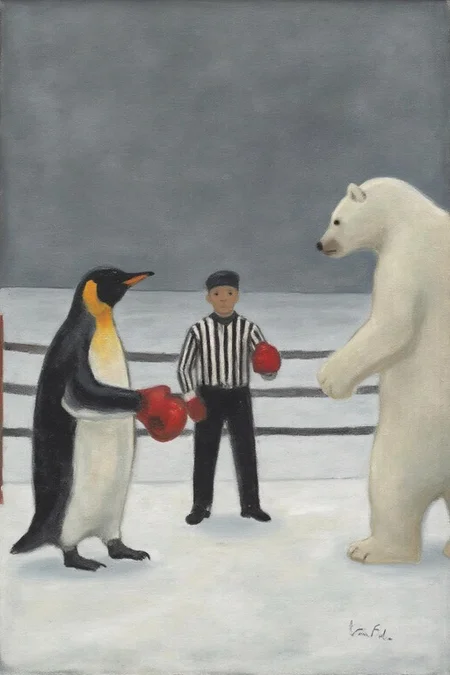
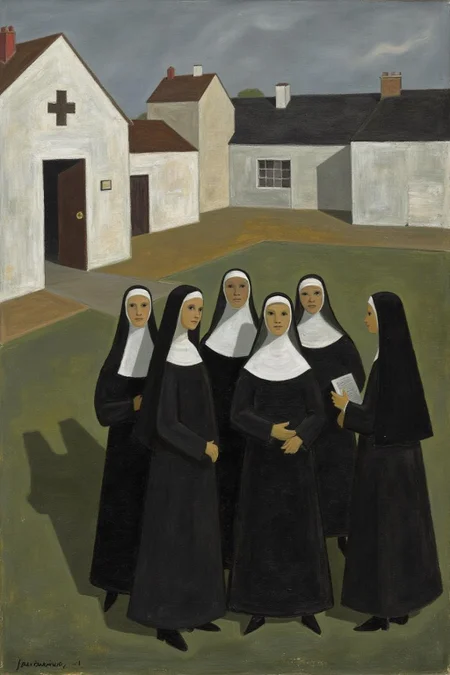

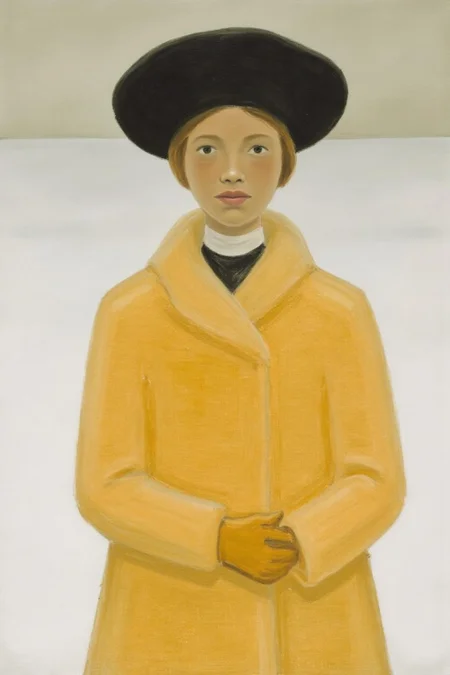
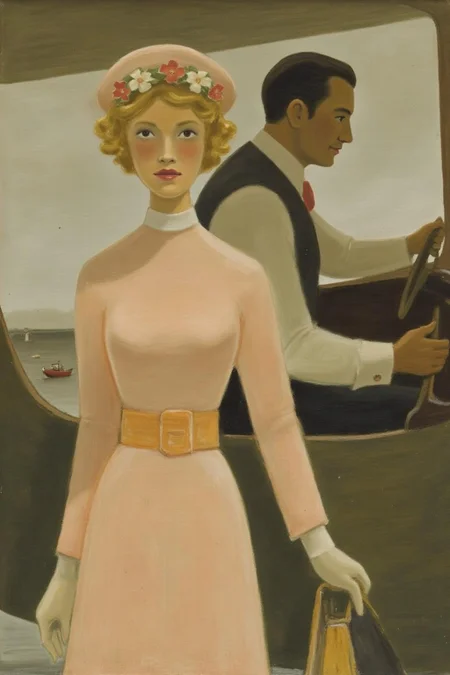
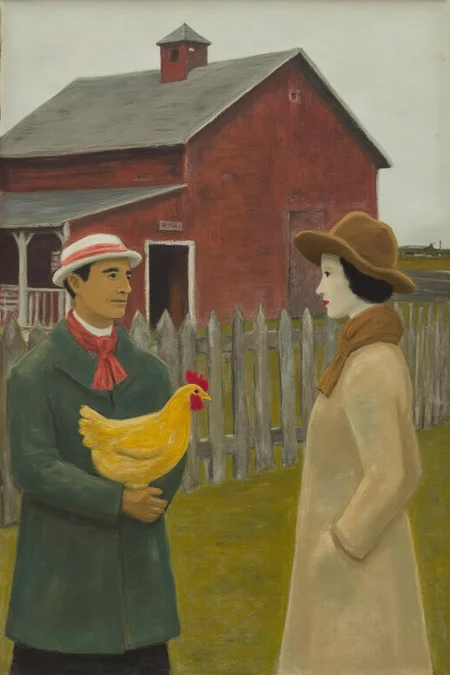
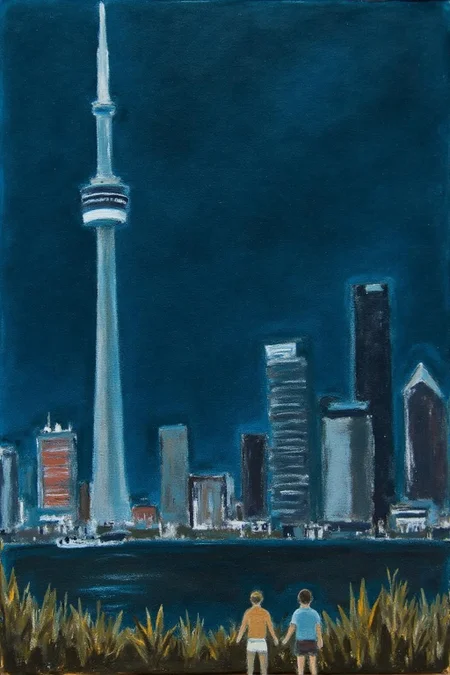
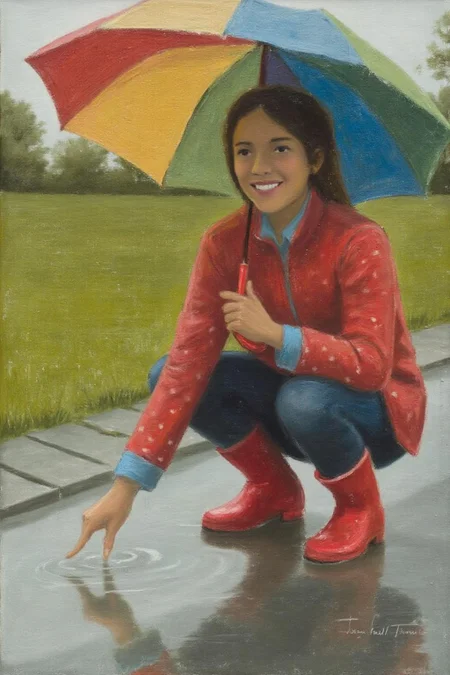
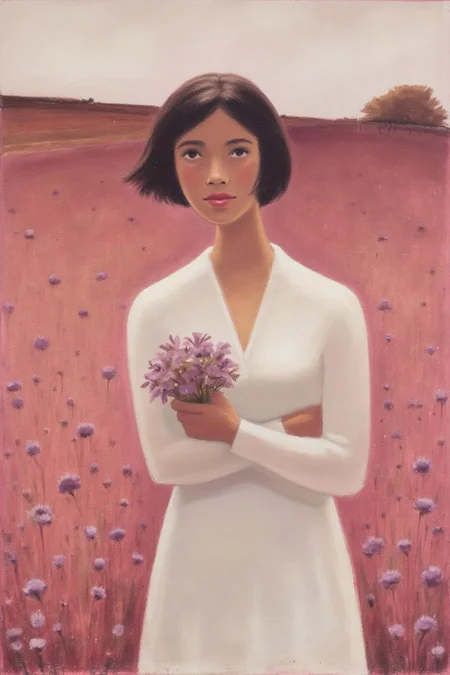
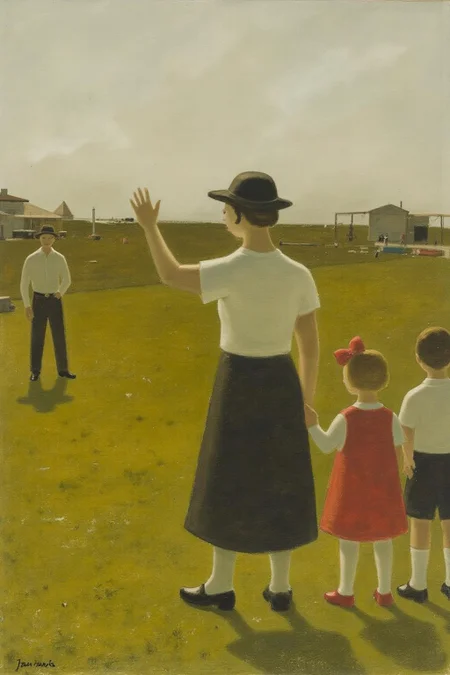
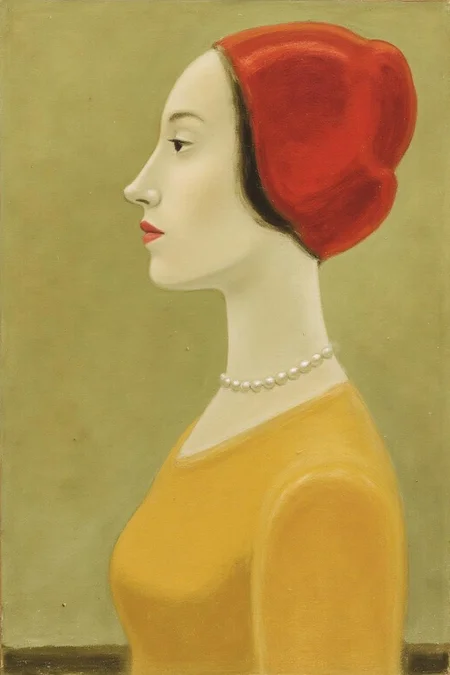
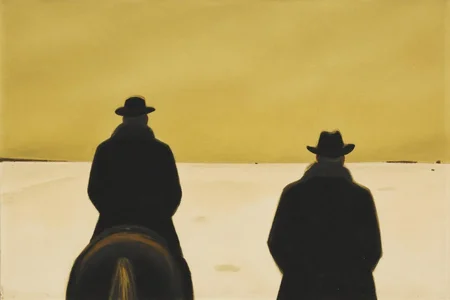
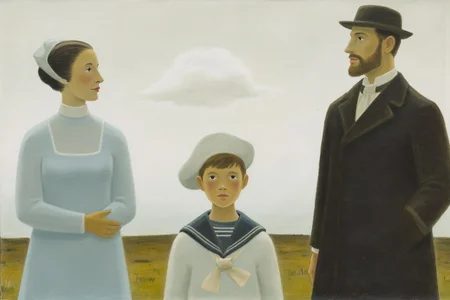
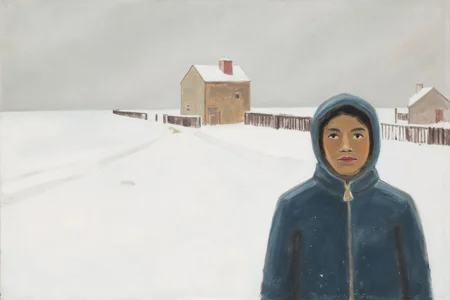

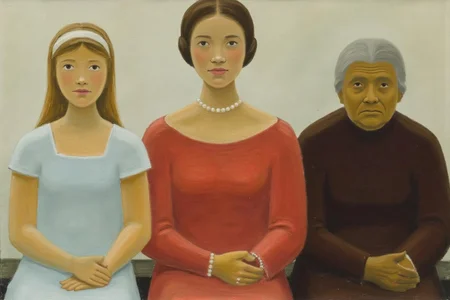
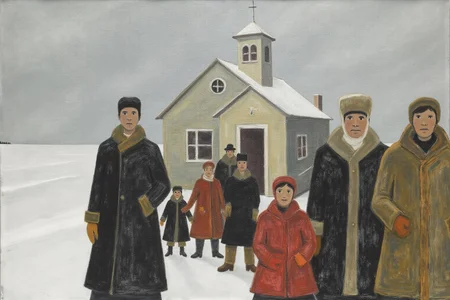
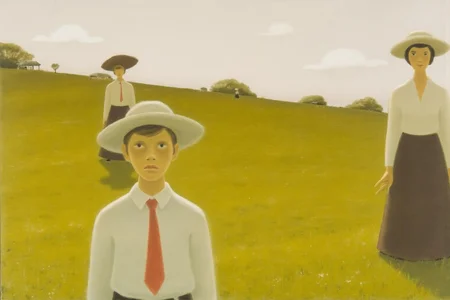
Trained on 25 paintings by the Canadian painter/illustrator Jean Paul Lemieux, CC RCA GOQ (November 18, 1904, Quebec City, Canada-December 7, 1990, Quebec City, Canada), who was one of the foremost twentieth century painters in Canada.
Lemieux paints a variety of styles, but this LoRA was trained only on his more minimalistic paintings of the people and landscape of his native Quebec. To see his works, please go to
gallery.ca/magazine/your-collection/our-abiding-solitude-jean-paul-lemieux
galerieiris.com/la_boutique_fr/catalog/category/view/s/jean-paul-lemieux/id/160/
From ChatGPT:
 Lemieux in 1977
Jean Paul Lemieux (1904–1990): Icon of Canadian Modernism
Biography & Background
Born: November 18, 1904, Quebec City, Canada
Died: December 7, 1990, Quebec City, Canada
Artistic Style: Modernism, blending realism, minimalism, and symbolism
Known For: Evocative landscapes, haunting figures, and depictions of Quebec’s cultural identity
Jean Paul Lemieux was a prominent Canadian painter whose career spanned over six decades. He is celebrated for his deeply introspective and atmospheric works, which often evoke a sense of nostalgia, isolation, and timelessness.
Artistic Evolution
Lemieux’s career evolved through distinct phases:
1. Early Period (1920s–1930s) – Regionalism and Illustration
Early in his career, Lemieux painted in a decorative, illustrative style influenced by the Group of Seven and traditional Quebecois life.
His works from this period depict charming rural scenes and cultural heritage with rich detail and color.
2. Mid-Career (1940s–1950s) – Transition to Minimalism
Lemieux’s most iconic works emerged during this period, characterized by stark landscapes, simplified figures, and muted color palettes.
His signature style combines vast, empty spaces with solitary figures, evoking feelings of introspection and emotional depth.
Works like The Evening Visitor (1956) and L'Hiver (Winter) exemplify this haunting, stripped-down aesthetic.
3. Late Period (1960s–1980s) – Symbolism and Existential Themes
In his later years, Lemieux’s paintings became increasingly symbolic and introspective.
He explored themes of mortality, memory, and human solitude, often depicting ghostly figures in expansive, desolate landscapes.
Key Themes in Lemieux’s Work
1. Isolation and Stillness
Lemieux’s figures often appear frozen in time, standing alone or in small groups within vast, empty environments.
This minimalist approach conveys a sense of contemplation, loneliness, and existential reflection.
2. Landscape as Emotion
Lemieux’s landscapes — expansive plains, icy tundras, and distant horizons — evoke feelings of stillness and timelessness.
The use of muted tones and simplified shapes emphasizes mood over realism.
3. Memory and Nostalgia
Many of Lemieux’s works reflect his deep connection to Quebec’s cultural heritage, blending memory with a dreamlike quality.
His paintings frequently capture figures from the past, dressed in period clothing, evoking a sense of longing for lost time.
Notable Works
The Evening Visitor (1956): A solitary figure stands before a distant horizon, symbolizing isolation and quiet reflection.
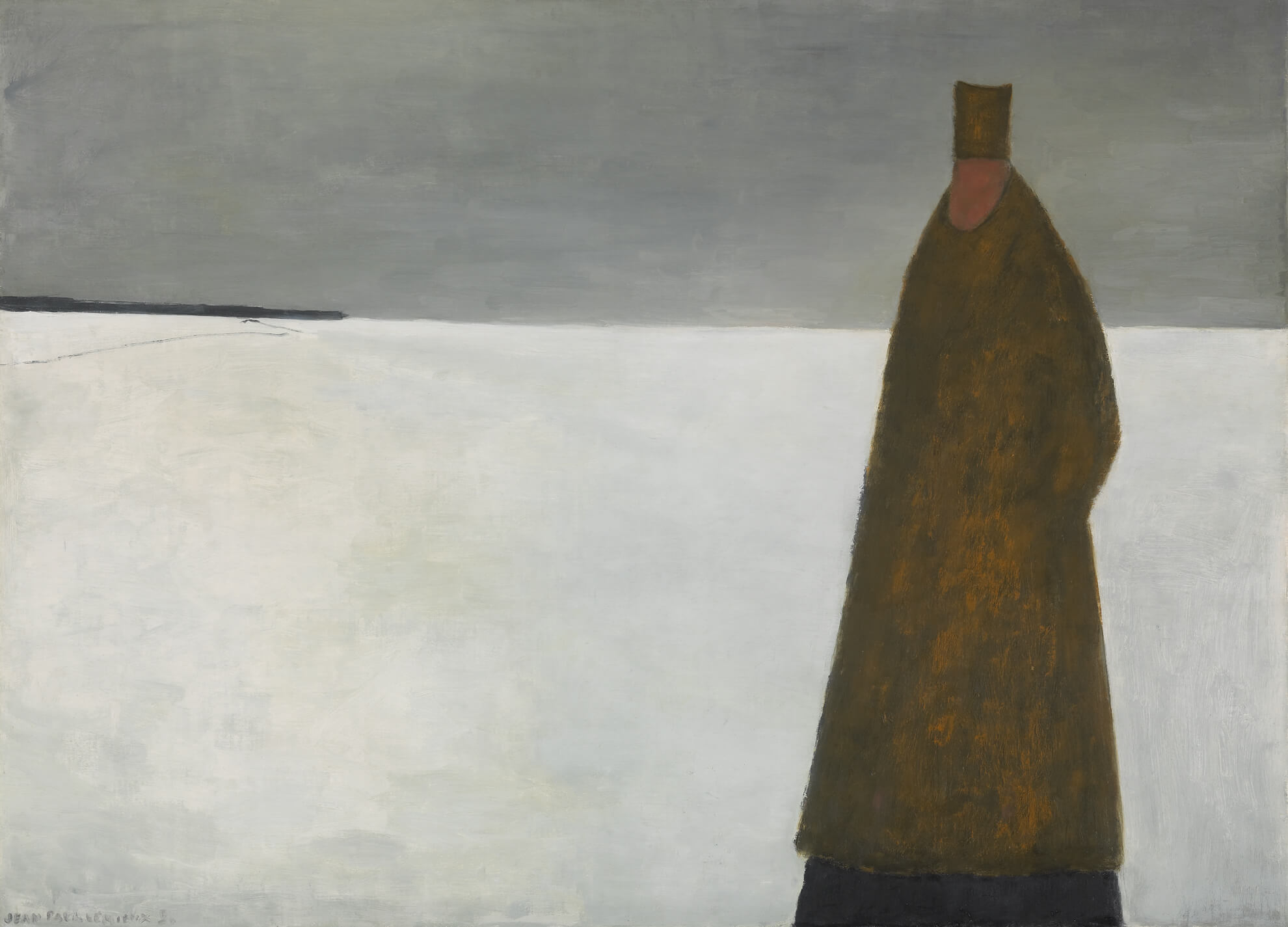
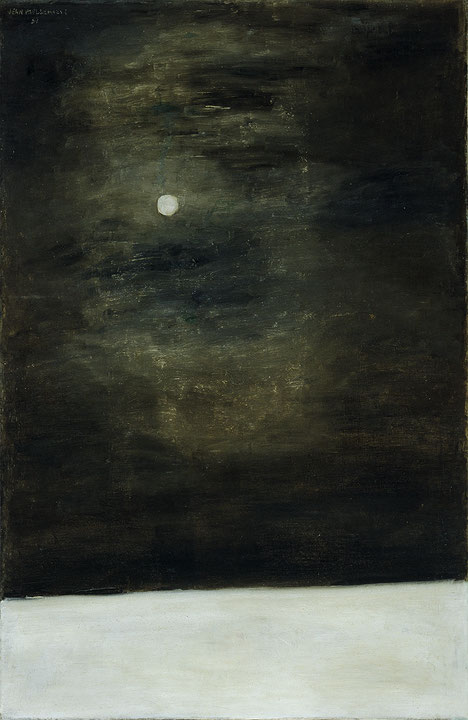
Lune d'Hiver (1957): A haunting winter scene with stark figures against a snowy backdrop, capturing Quebec’s harsh yet poetic landscape.
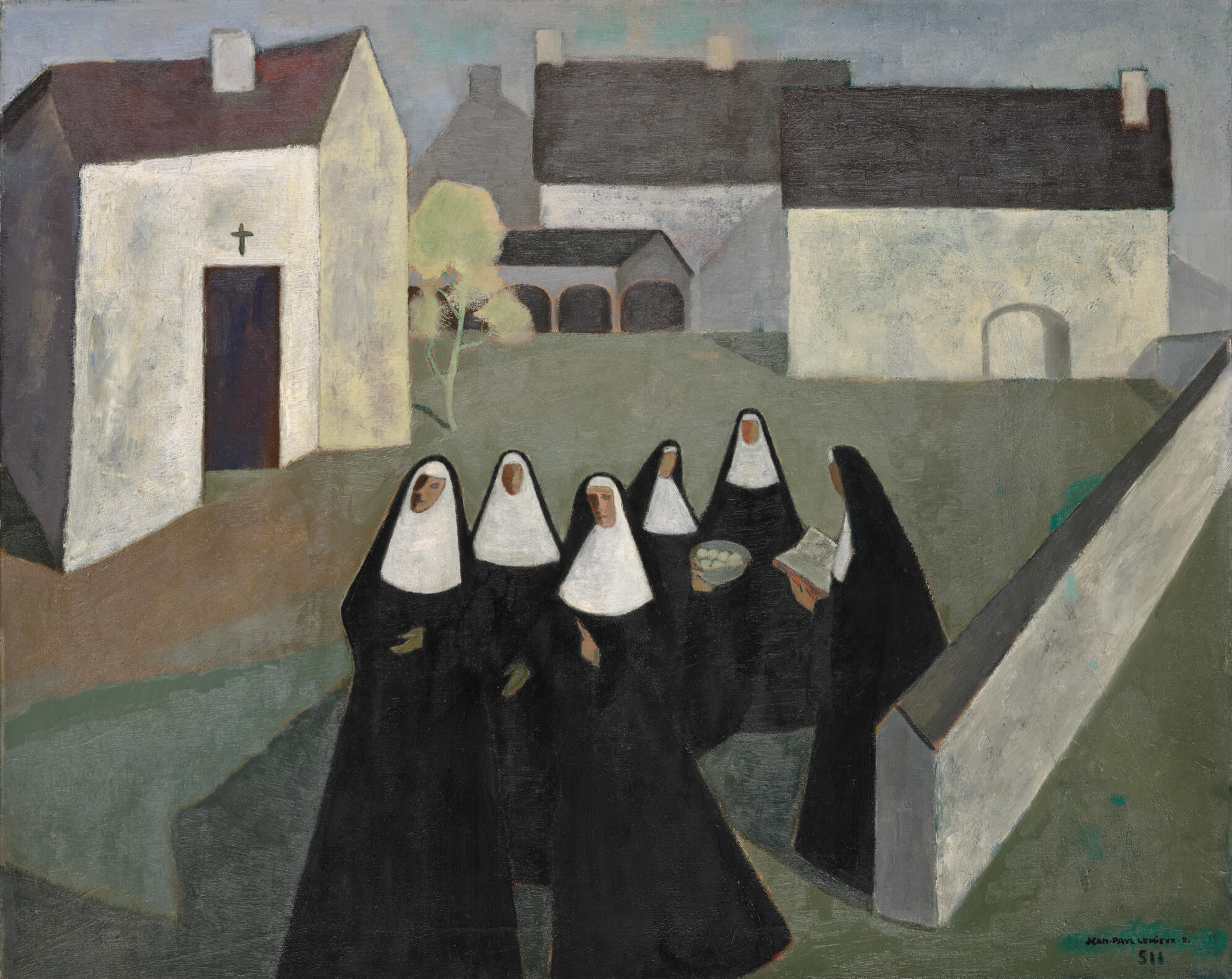
Les Ursulines (1965): A striking portrayal of nuns in traditional attire, symbolizing spirituality and Quebec’s cultural history.
Influence and Legacy
Lemieux’s unique blend of symbolism, minimalism, and emotional depth left a lasting mark on Canadian art.
He is regarded as a cultural icon in Quebec, having captured the province’s history, landscapes, and social identity with remarkable poignancy.
His influence extends into contemporary Canadian art, where themes of solitude, landscape, and identity remain central.
Interesting Fact
In 1969, Lemieux was awarded the Companion of the Order of Canada, one of the country’s highest honors, recognizing his profound impact on Canadian culture.
Would you like to explore specific paintings, his influence on modern Canadian artists, or how his themes connect to broader artistic movements?
Jean Paul Lemieux’s Influence on Modern Canadian Artists and Artistic Movements
Jean Paul Lemieux’s unique artistic vision has resonated deeply with Canadian artists across various disciplines. His minimalist yet emotionally powerful style continues to inspire painters, photographers, filmmakers, and even writers. Key aspects of his influence can be seen in the following areas:
1. Influence on Canadian Landscape Painting
Lemieux’s ability to distill vast landscapes into simple yet evocative compositions has shaped modern interpretations of Canadian scenery.
Artists like Peter Doig and Karel Funk have adopted similarly sparse yet atmospheric approaches to depict Canada’s landscapes, evoking feelings of solitude and introspection.
Lemieux’s influence also extends to Indigenous artists such as Lawrence Paul Yuxweluptun, who merges minimalist landscapes with symbolic narratives.
2. Narrative and Symbolism in Contemporary Art
Lemieux’s figures, often solitary and contemplative, serve as powerful metaphors for isolation, memory, and existential reflection.
Contemporary artists such as Marcel Barbeau and Marc Séguin echo Lemieux’s ability to combine stark, symbolic imagery with emotional depth.
His approach to storytelling — using quiet visual language to convey powerful themes — continues to resonate with artists exploring social identity and personal reflection.
3. Impact on Photography and Visual Media
Photographers like Edward Burtynsky and Gregory Crewdson have drawn inspiration from Lemieux’s stark compositions, muted color palettes, and haunting stillness.
Filmmakers, particularly Canadian directors such as Denis Villeneuve, have similarly adopted Lemieux’s use of quiet tension, where minimalism heightens emotional depth.
4. Influence on Literature and Cultural Identity
Lemieux’s depictions of Quebec’s landscapes and cultural heritage have become symbolic touchstones in Canadian literature.
Writers like Gabrielle Roy and Michel Tremblay have explored themes of nostalgia, family, and identity — concepts that align closely with Lemieux’s visual storytelling.
5. Legacy in Contemporary Art Movements
Lemieux’s introspective style aligns with movements like Magical Realism and Post-Minimalism, where simple yet powerful imagery carries symbolic weight.
His work’s emotional quietness, blending memory with visual poetry, echoes in the works of contemporary artists exploring the human condition.
Key Elements of Lemieux’s Signature Style that Influenced Modern Art
✅ Simplified, stark compositions
✅ Muted, earthy color palettes
✅ Figures frozen in time, evoking nostalgia and reflection
✅ Expansive horizons symbolizing isolation and emotional depth
✅ Themes of mortality, memory, and cultural identity
Conclusion
Jean Paul Lemieux’s lasting influence lies in his ability to turn simplicity into profound emotional resonance. His art continues to inspire Canadian creatives seeking to balance visual stillness with powerful narratives. Whether through modern landscape painting, contemplative photography, or introspective cinema, Lemieux’s legacy remains deeply woven into Canada’s artistic identity.
Description
This is epoch 8, the other epochs can be downloaded from tensor.art/models/841255437811585573/Jean-Paul-Lemieux-V1-CapD6Cos5-2025-03-15-19:16:20-Ep-8
FLUX.1 - dev-fp8
Trigger: jeanpaullemieux1 painting
Repeat: 20 Epoch: 8 (Trained on 25 512x512 image for 4000 total steps)
Unet LR: 0.0005 Scheduler: cosine Optimizer: AdamW
Network Dim: 6 Alpha: 3
Epoch Loss
1 0.340
2 0.335
3 0.328
4 0.321
5 0.314
6 0.308
7 0.307
8 0.300