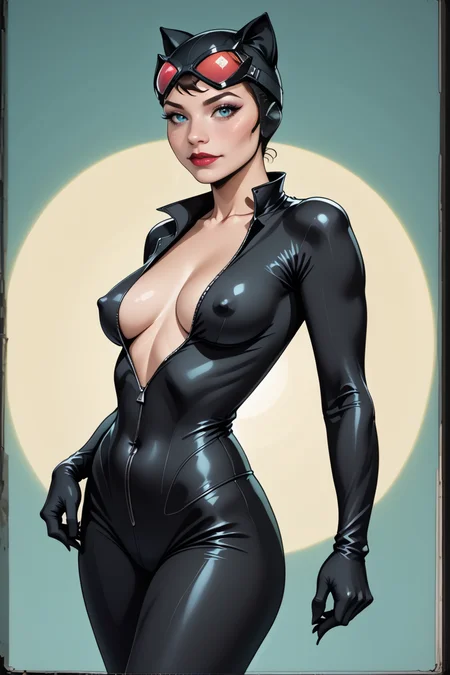
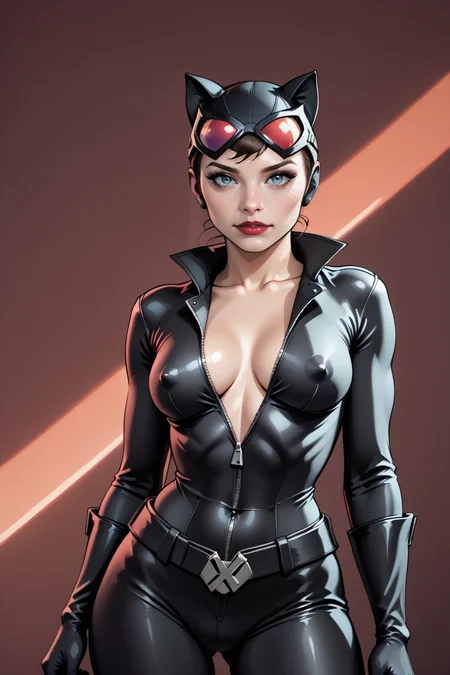
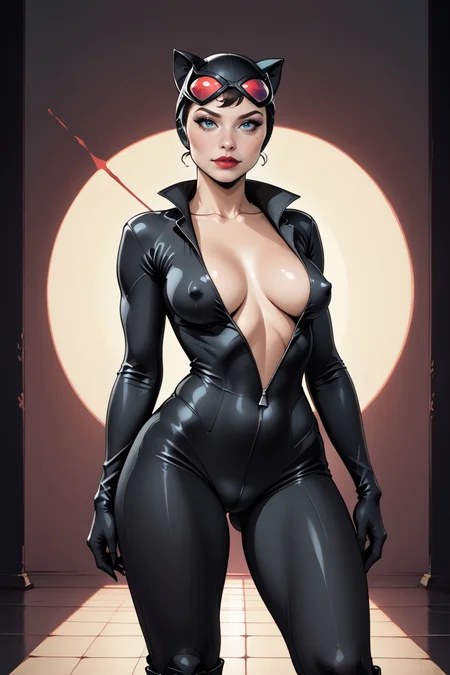
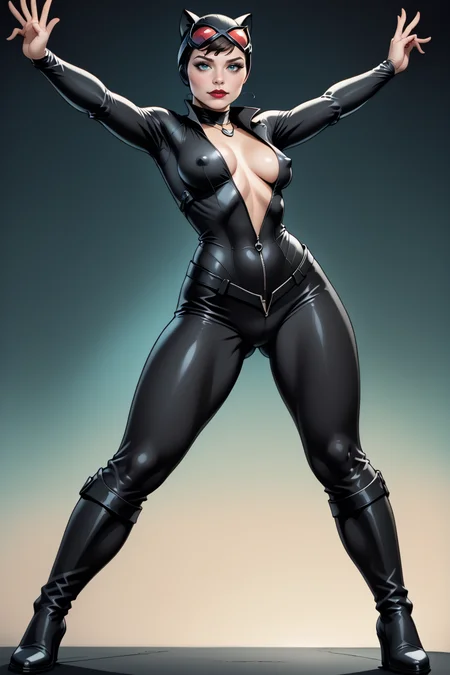
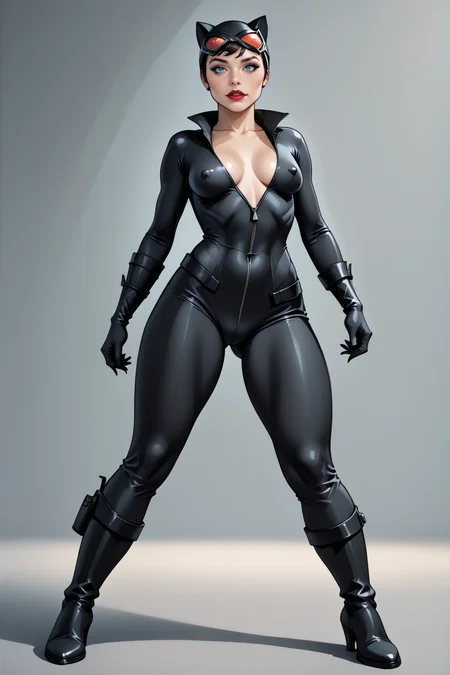
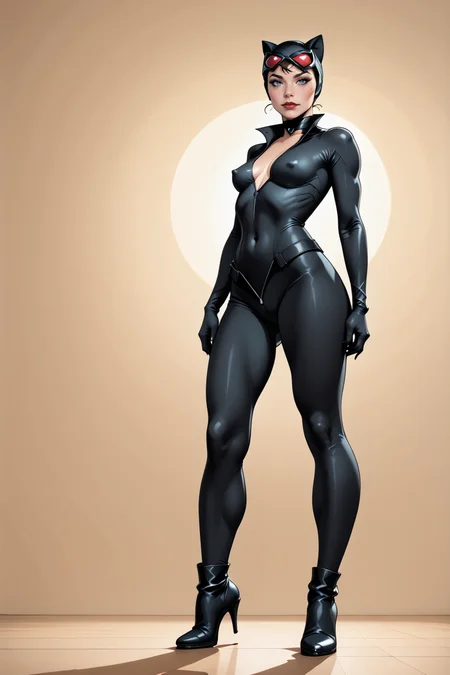
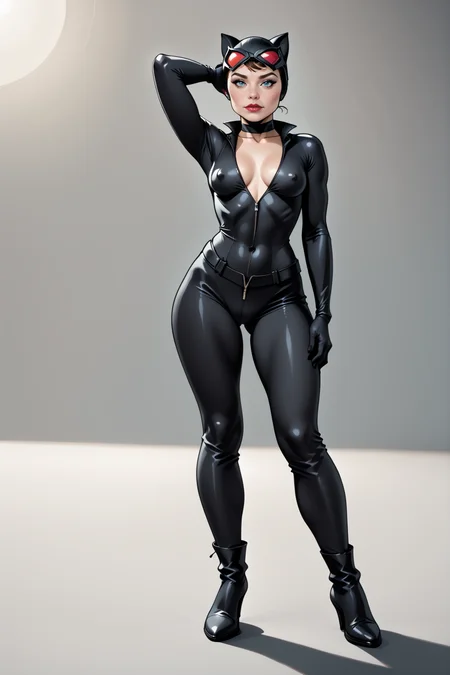
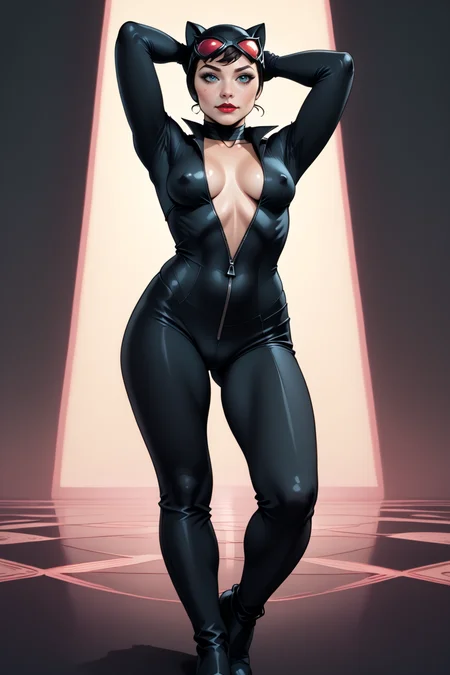
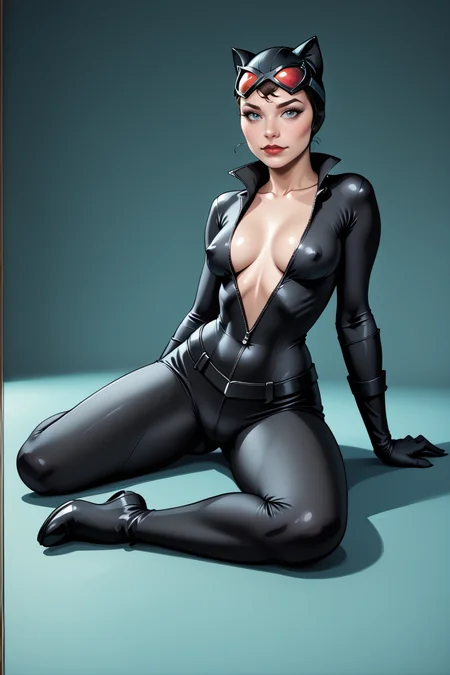
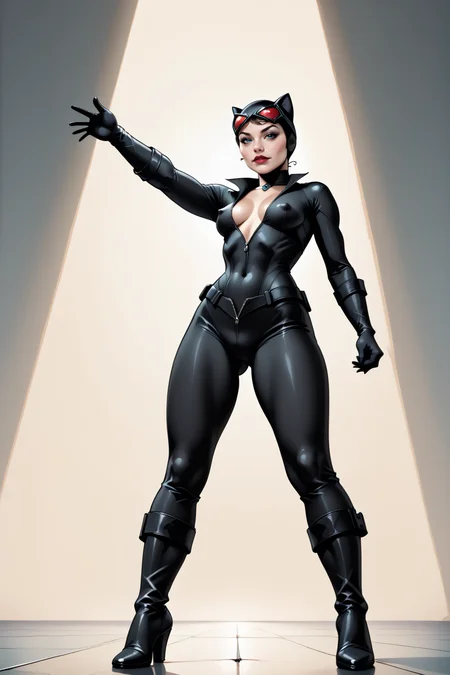
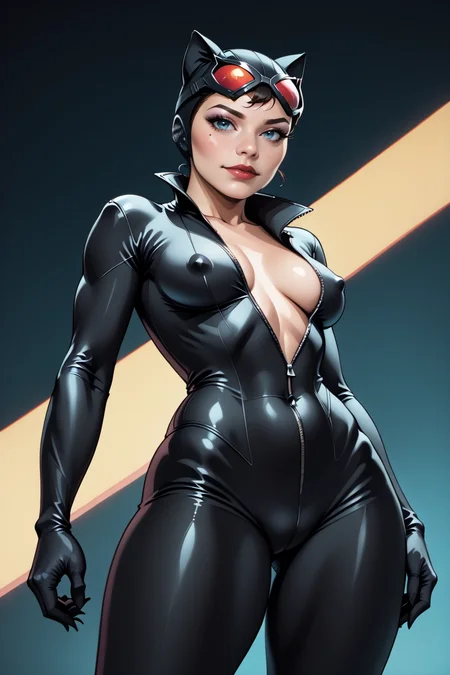
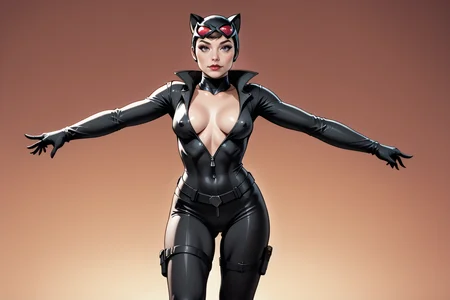
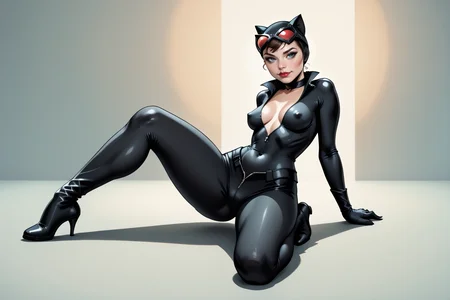
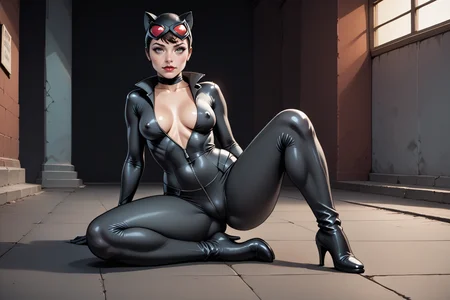

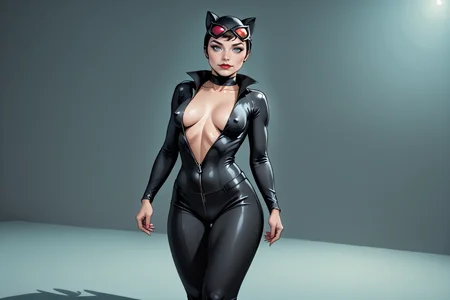
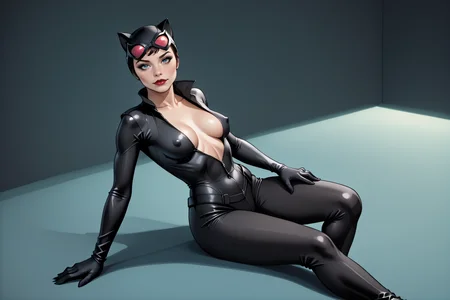
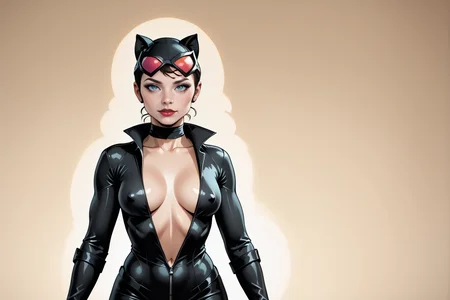
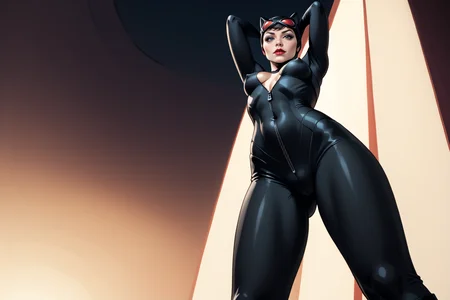

Selina Kyle, better known as Catwoman, first appeared as "the Cat" in Batman #1 (spring 1940), created by Bill Finger and Bob Kane. Initially depicted as a mysterious jewel thief and femme fatale who used disguises to commit crimes, she quickly became a recurring adversary and romantic foil for Batman, introducing sexual tension into their encounters. Her early portrayals varied, sometimes as a straightforward villain motivated by greed, with origins occasionally involving amnesia or reform attempts. Post-1954, due to the Comics Code Authority's restrictions on female characters, she largely disappeared until returning in the 1960s, often as a lighter antagonist.
A significant revision came in Frank Miller's Batman: Year One (1987), reimagining Selina Kyle as a streetwise dominatrix and prostitute inspired by Batman's emergence to become a cat burglar, emphasizing her independence and moral ambiguity. This darker, more grounded origin influenced subsequent depictions, leading to her first ongoing series in 1993, where she evolved into an anti-heroine thief with a code, protecting Gotham's underprivileged while pursuing high-stakes heists. Key developments include Ed Brubaker's run (2001–2010), portraying her as East End guardian with allies like Holly Robinson, and explorations of her bisexuality confirmed in 2015.
In recent years, Catwoman has starred in acclaimed series like Tom King's Batman arc (2016–2019), nearly marrying Bruce Wayne before interference, and ongoing titles exploring her complex relationship with Batman, criminal empire-building, and redemption. As of late 2025, her stories continue to balance villainy, heroism, and personal growth, with announcements of alternate versions like in the Absolute Universe (2026), solidifying her as DC's premier morally gray icon and Batman's enduring romantic counterpart.