V67 Negative Space - FLUX LoRA
"The Positive/Negative Space Ratio Scale"
Premise, if you decide to use my model, I will give you 500 Yellow Buzz if your image is chosen for the cover of "CIVITAI," even if used in combination with other models.
📖 Concept
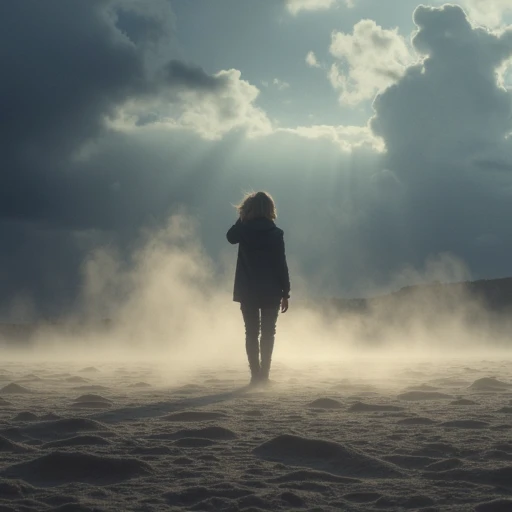
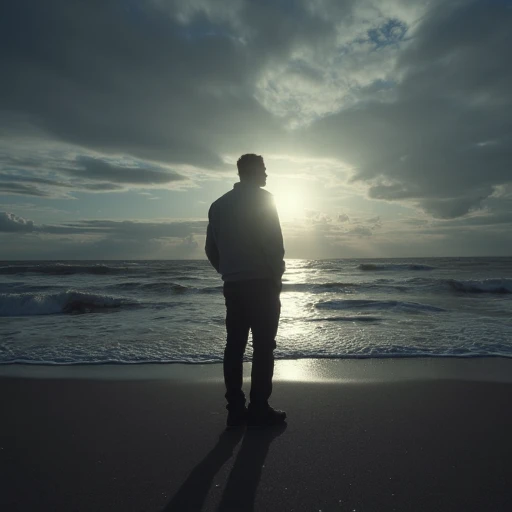
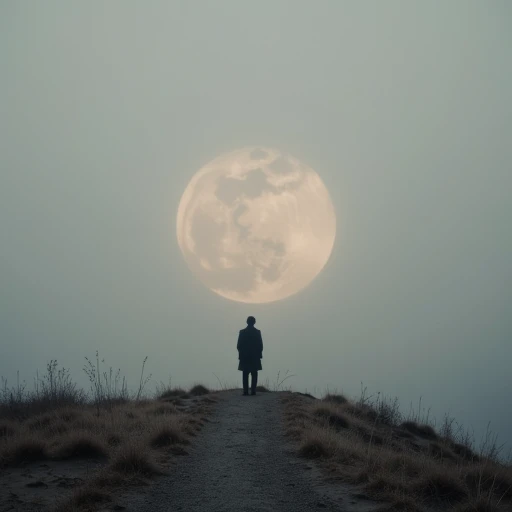
This model teaches you to consciously control negative space in your FLUX generations. Negative space isn't just an "empty background"—it's a powerful compositional tool that defines your subject, creates balance, and evokes specific emotions.
Think of a scale that goes from the "character overwhelmed by the environment" to the "character who is the environment". This LoRA allows you to position yourself exactly where you want on this scale.
🎯 Trigger Words
Activate the model by placing one of the following keywords at the beginning of your prompt:
Trigger WordWhen to Use Itv67negativespaceGeneral use, direct activation of the conceptminimalistframeFor clean, framed compositionsvoidsurroundsTo emphasize the emptiness surrounding the subjectisolationscaleTo control the character/environment ratiobreathingspaceTo give "room to breathe" to your composition
Recommended Weight: 0.7 - 1.0 (start with 0.8 for balanced results)
⚙️ Technical Specifications for FLUX
Base model: FLUX.1 D / FLUX.1 Dev
Type: LoRA
Size: ~40-80 MB (depends on final version)
Network: Optimized for FLUX architecture
📊 The Control Scale
1️⃣ Dominant Negative Space (70-90%)
Solitude, freedom, awe
Prompt: isolationscale, a lone astronaut standing on a red dune, looking at the vast empty landscape of Mars, cinematic lighting, hyperrealistic
Result: Small subject, vast environment, epic feeling.
2️⃣ Equilibrium (40-60%)
Context and action
Prompt: breathingspace, a detective in a trench coat leaning against his car in the rain at night, neon lights reflecting on wet pavement, medium shot
Result: Perfect balance between subject and environment.
3️⃣ Dominant Positive Space (10-30%)
Intimacy, intensity, power
Prompt: minimalistframe, an elderly woman's face in extreme close-up, every wrinkle tells a story, soft dramatic lighting, eyes filled with wisdom
Result: The subject fills the frame, maximum emotional intensity.
🎨 Practical Examples for FLUX
Minimalist Portrait
text
v67negativespace, a single red rose in a glass vase, vast light beige background, negative space, minimalist style, evoking calm, studio lightingNegative prompt: cluttered background, intricate patterns, additional objects, text
Atmospheric Landscape
text
voidsurrounds, a solitary sailboat in the middle of a vast calm blue lake, under a clear sky, sense of solitude and tranquility, photorealisticNegative prompt: waves, people, other boats, clouds
Product Shot
text
breathingspace, a modern white smartwatch isolated on a uniform light grey background, space for text, product photography, soft studio lightNegative prompt: shadows, reflections, other objects, logos, text
🧠 Advanced Tips for FLUX
1. Use Negative Prompt as Your Ally
FLUX responds very well to negative prompts. Use them to eliminate clutter:
cluttered background, intricate patterns, additional objects, text, noise, multiple subjects
2. Play with Guidance Scale
Guidance 2-4: More artistic effects, greater interpretation of negative space
Guidance 5-7: Standard balance between prompt and quality
Guidance 7-10: Maximum prompt adherence, ideal for precise compositions
3. Strategic Placement
Negative space can be positioned to create meaning:
Space in front of the subject:
voidsurrounds, a runner on a coastal road, ample space in front, sense of speed and directionSpace above the subject:
breathingspace, a monk levitating in meditation, large empty space above, spiritual ascensionSpace below the subject:
isolationscale, a red balloon floating just above the ground, empty space below, suspension
💡 Advanced Technique: Negative Weight (Experimental)
Inspired by experimental techniques for FLUX , you can try using this LoRA with negative weights for inverse effects:
Weight -0.5 to -0.8: Reduces negative space, compresses the composition
Useful for: claustrophobic close-ups, extreme intensity, "oppressive" subjects
Note: This technique is experimental, test carefully.
🖼️ Ratio Gallery
RatioTrigger + WeightEmotional Effect90% Negativevoidsurrounds, weight:1.0Solitude, contemplation70% Negativeisolationscale, weight:0.9Freedom, possibility50/50breathingspace, weight:0.8Narrative balance30% Negativeminimalistframe, weight:0.7Intimacy, connection10% Negativev67negativespace, weight:0.6Intensity, power
📝 User Notes
Always start with weight 0.8 and adjust based on desired result
Combine with stylistic LoRAs: works well with photographic and cinematic style models
FLUX.1 Dev is the recommended base model for maximum quality
Recommended resolution: 1024x1024 or 16:9 for landscapes, 4:5 for portraits
🔧 How to Use Negative Space Consciously
When writing your prompt, thinking about negative space helps you avoid banal compositions:
Guide the Eye: Negative space creates a "visual path" to the subject. Have your character look into the negative space to create expectation or narrative tension.
Define the Mood: Minimal negative space creates an intense, charged image. Maximum negative space creates a melancholic, epic, or contemplative atmosphere.
Create Abstraction: By pushing to extremes, negative space transforms a realistic subject into an elegant, abstract form, focusing on texture and pure shape.
🔄 Changelog
v1.0 - Initial Release
Training on FLUX.1 Dev
5 trigger words implemented
Dataset of 40 prompts balanced on the negative/positive space scale
Optimized for cinematic and minimalist compositions
Created to explore the expressive potential of negative space in AI generation. Experiment and share your results!
Description
Details
Files
Available On (2 platforms)
Same model published on other platforms. May have additional downloads or version variants.