Description
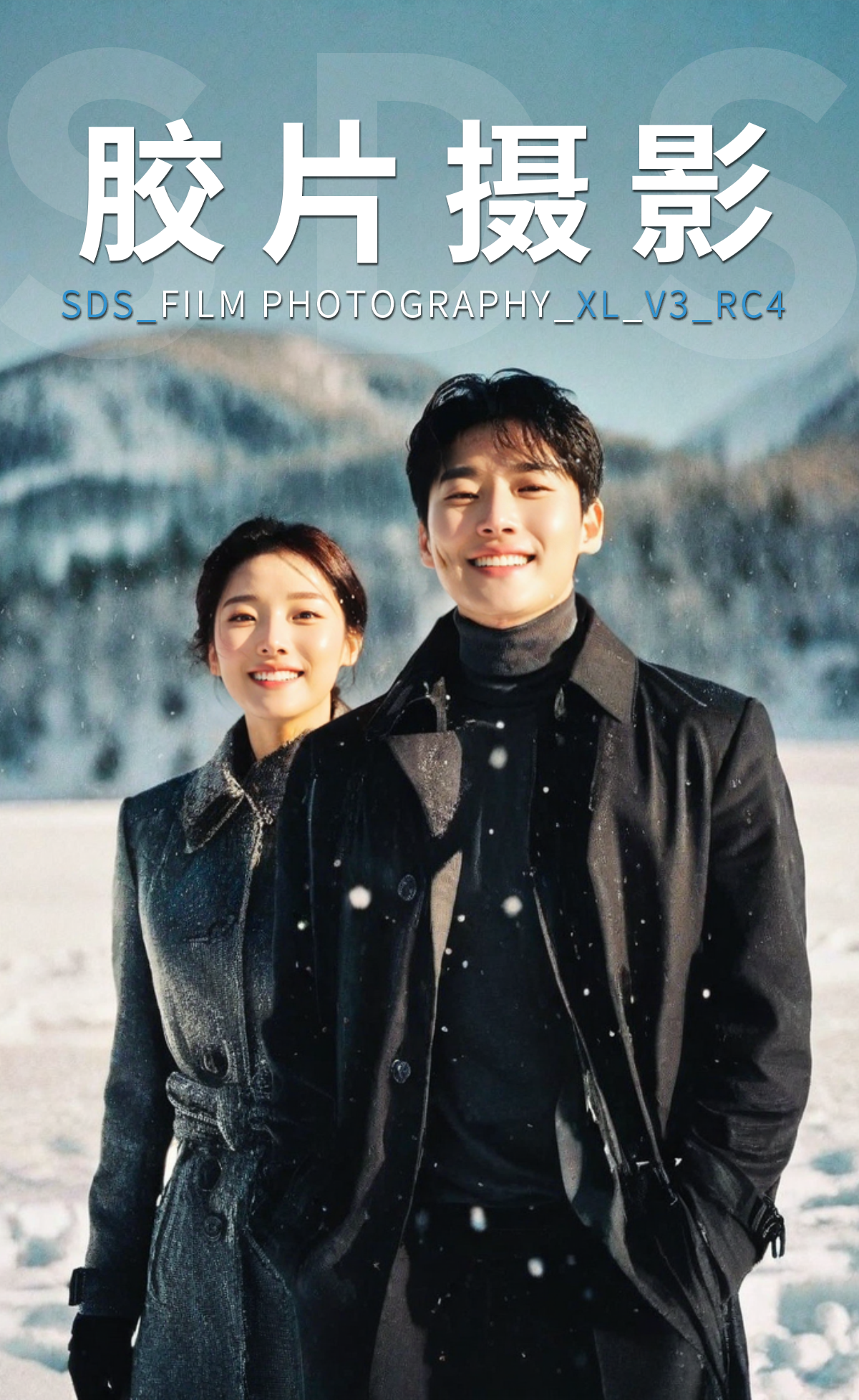
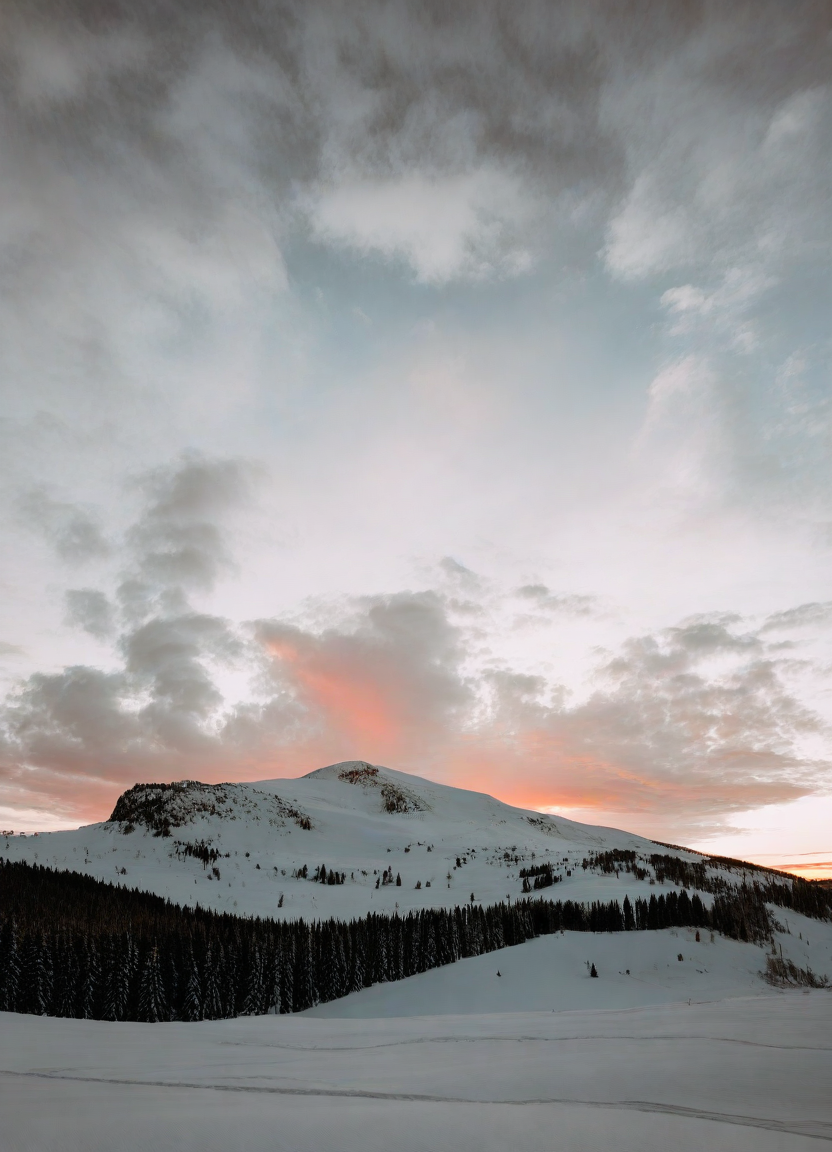
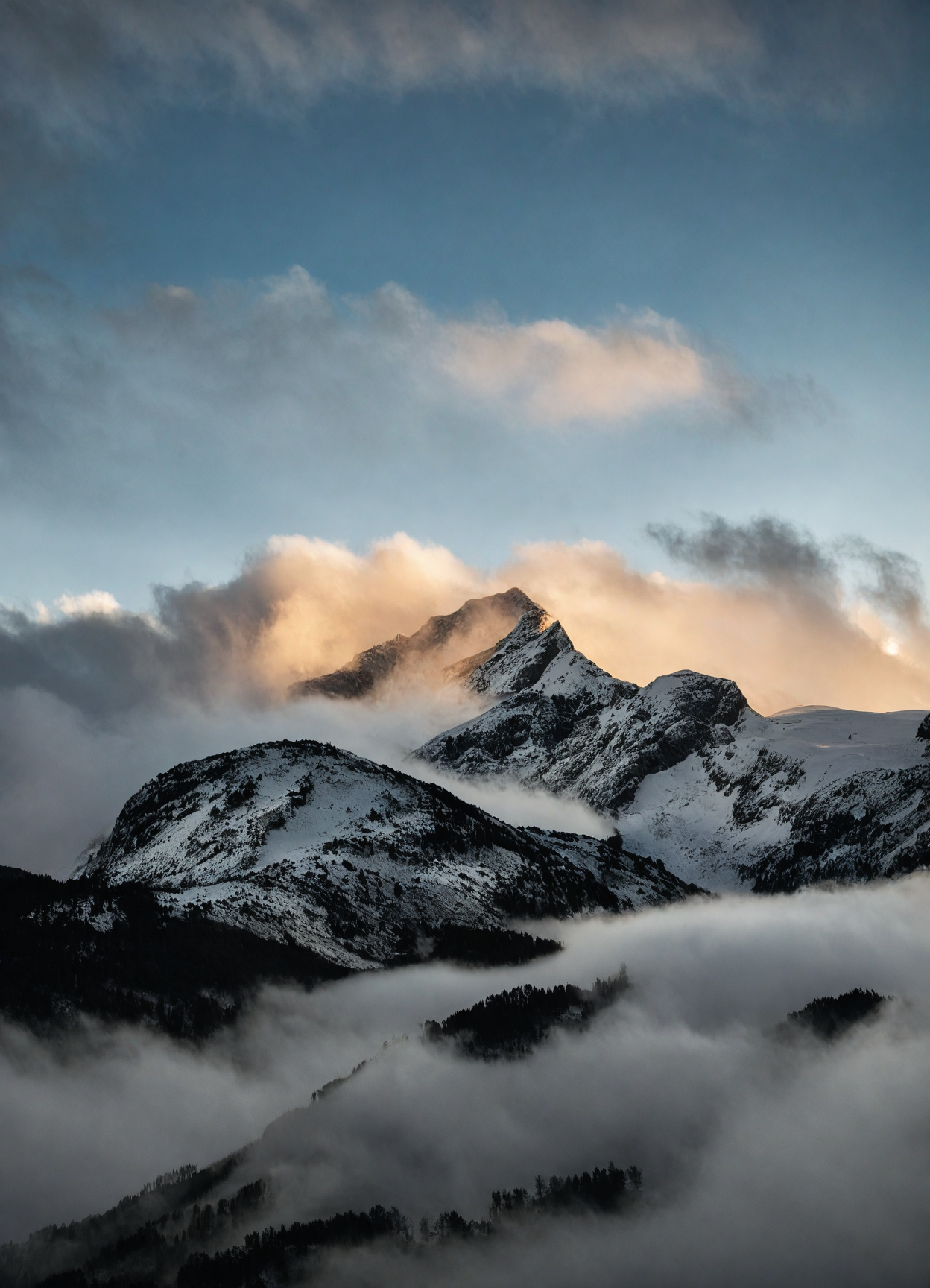
V3_RC4 version change notes: This version is only recommended Euler a The sampler, while continuing to optimize the training set, added a small number of men The pictures have added a lot of scenic content.
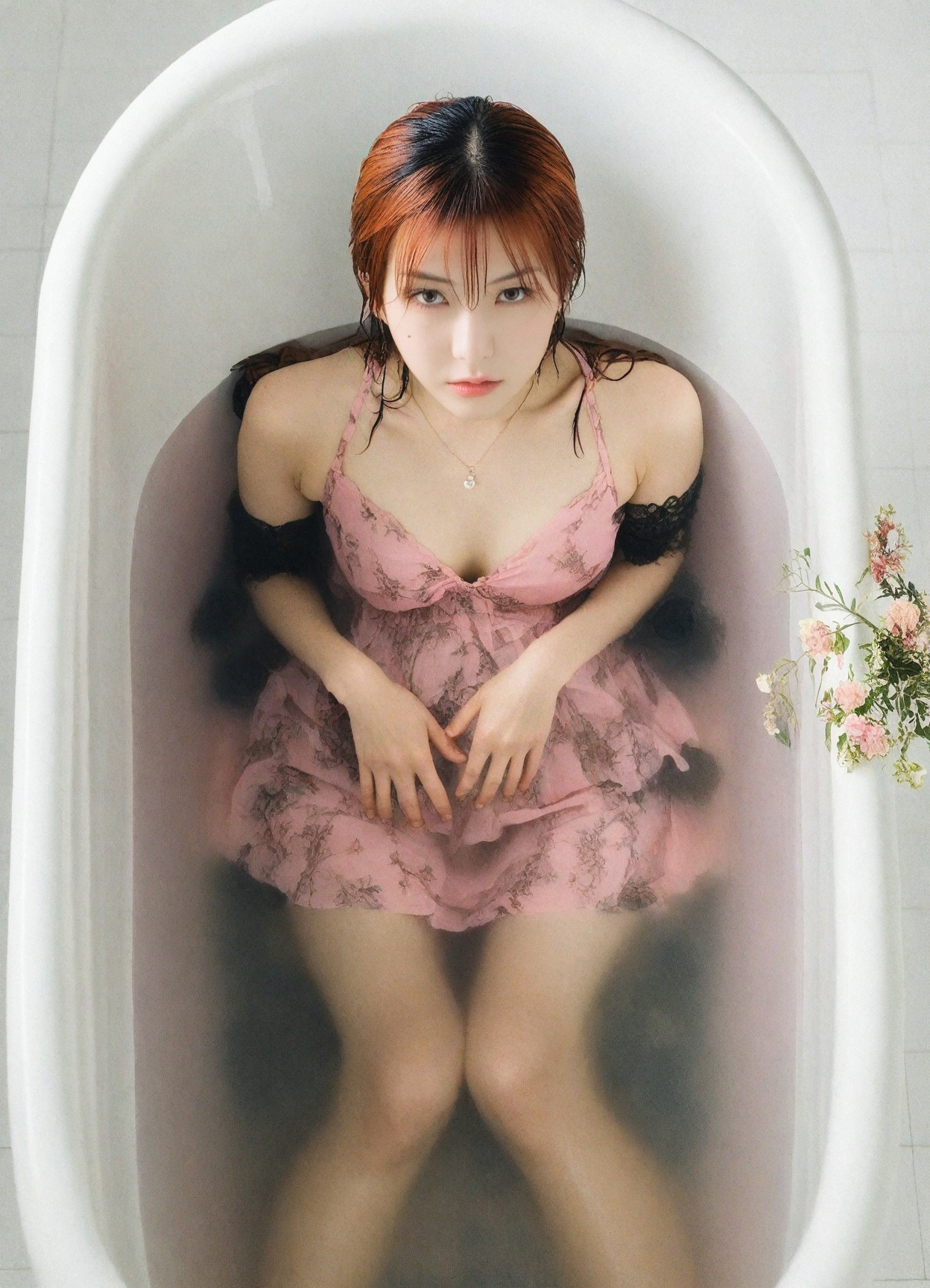
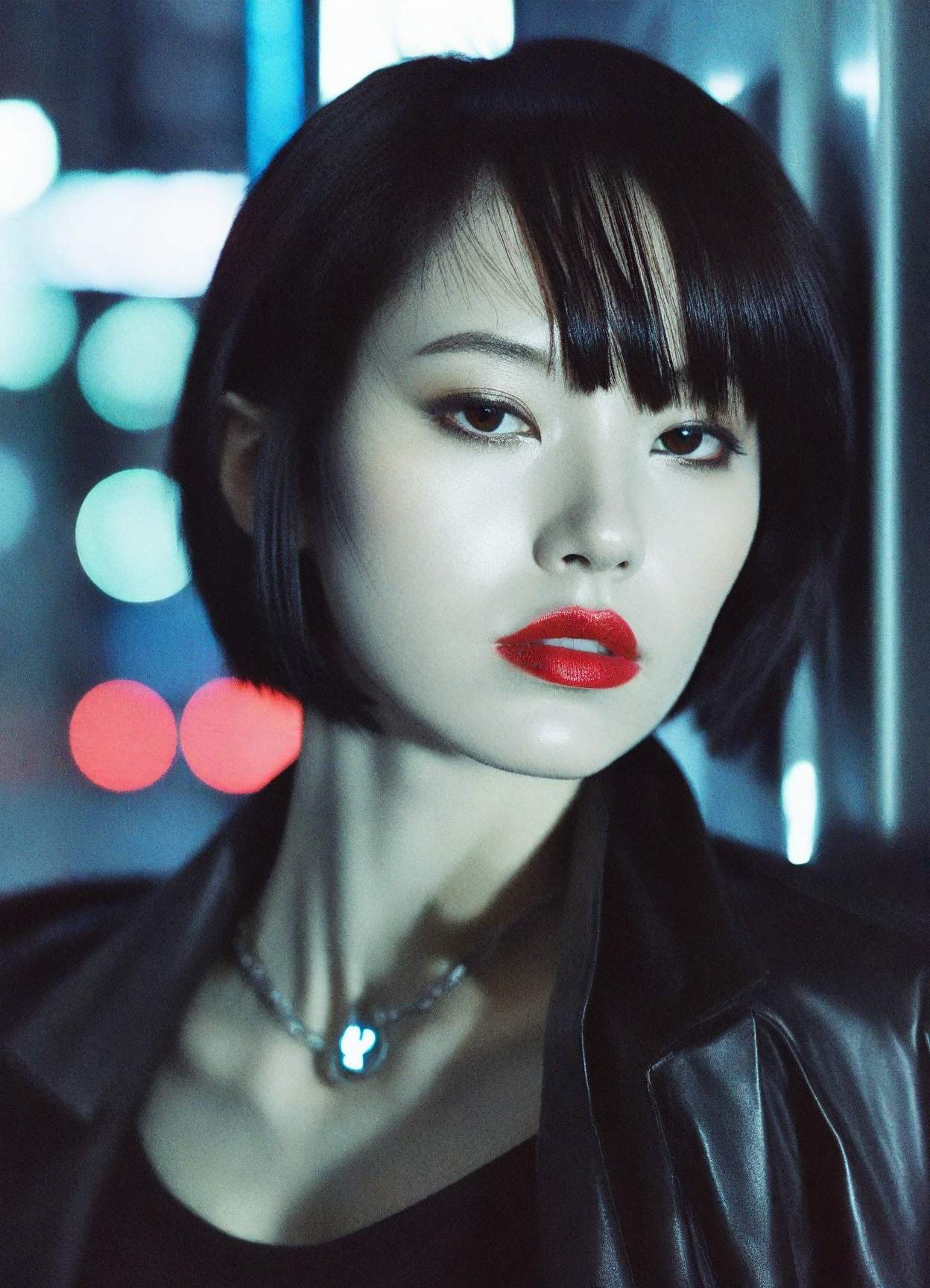
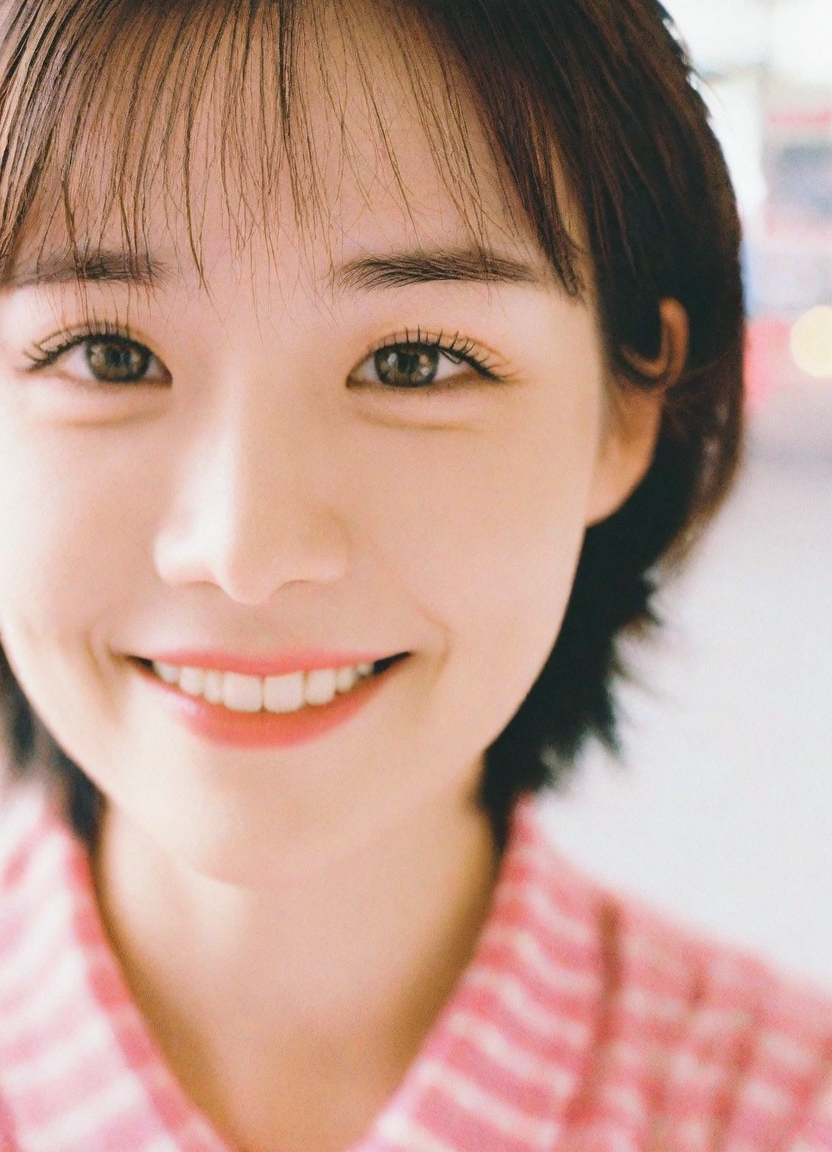
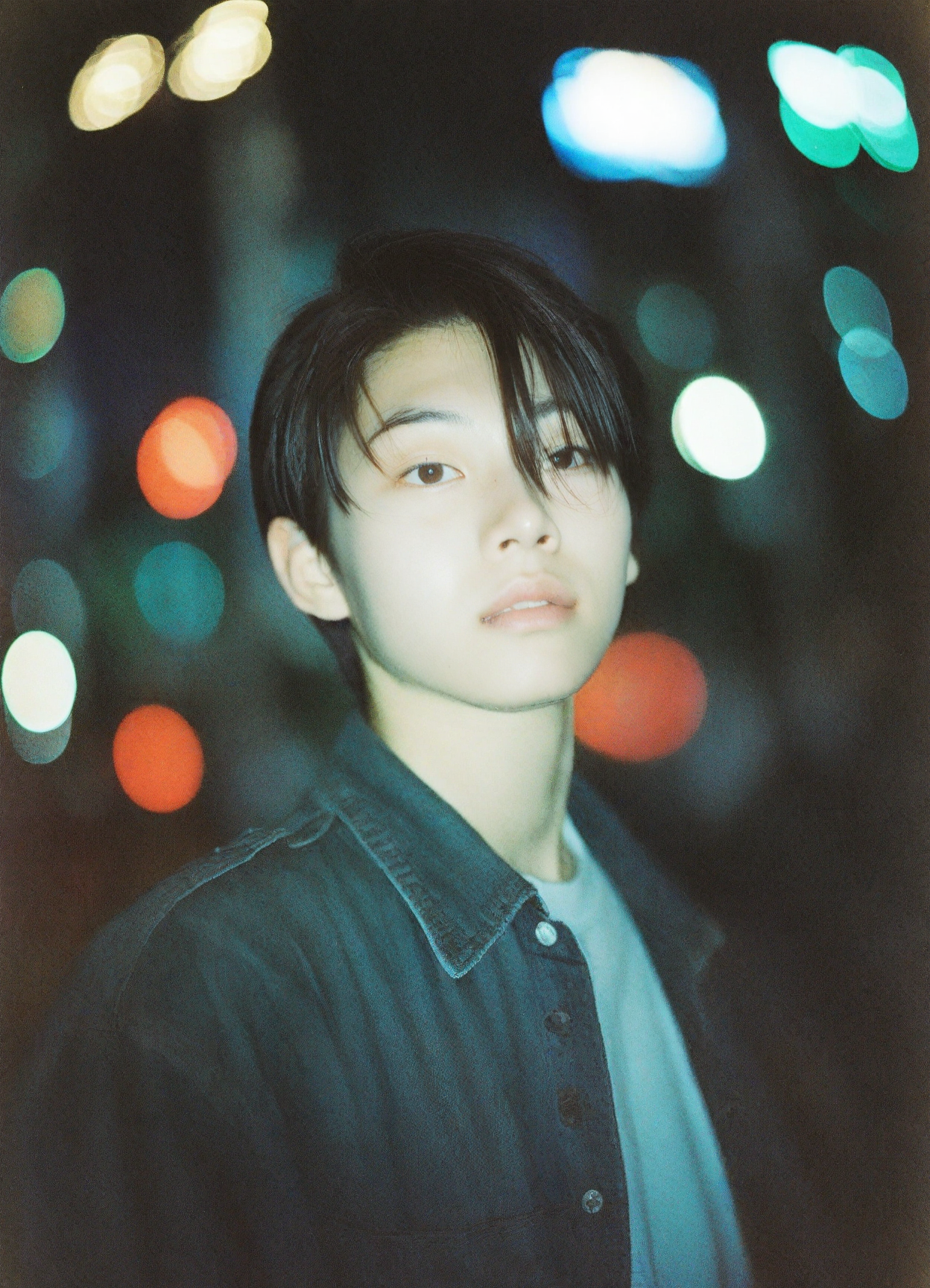
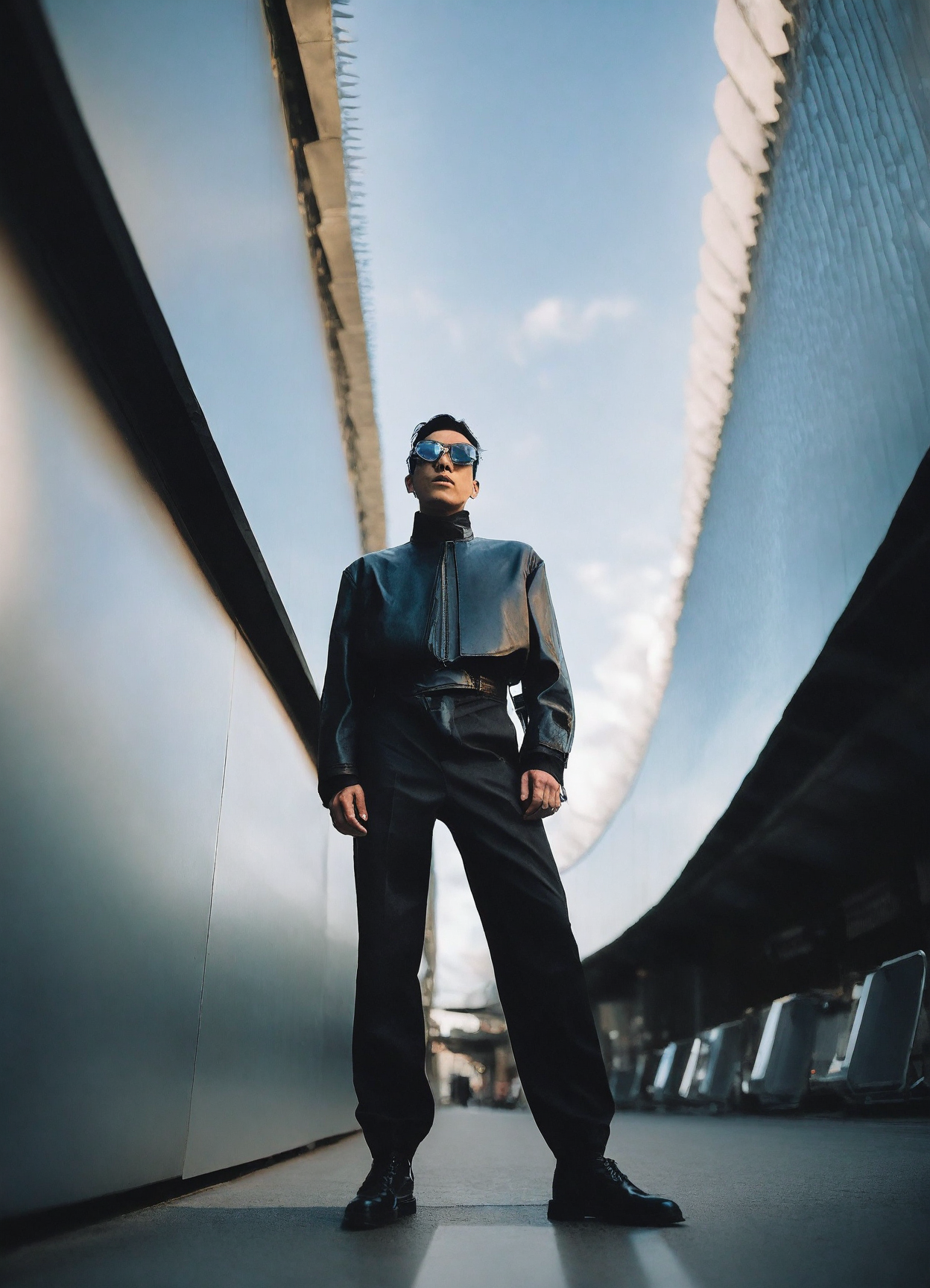
Overview of training content: Portraits: Mainly
everyday images that are commonly taken, with lots of additions
Images that emphasize the relationship between light and shadow, and a small number of images related to extreme emotions. Among them, it mainly focuses on close-range close-ups, and the visual focus range is 50 mm or more, and full-body images account for a relatively small proportion.
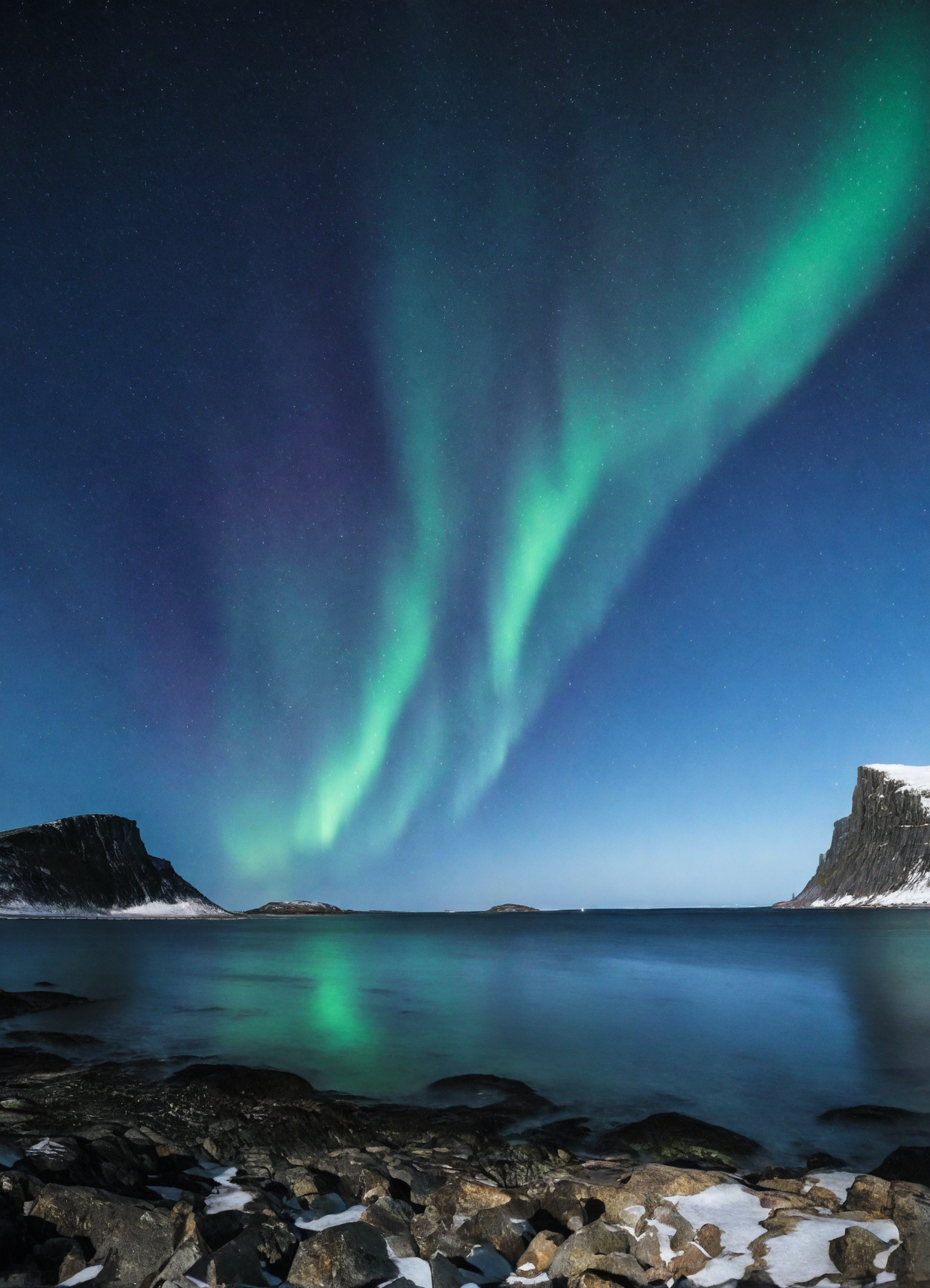
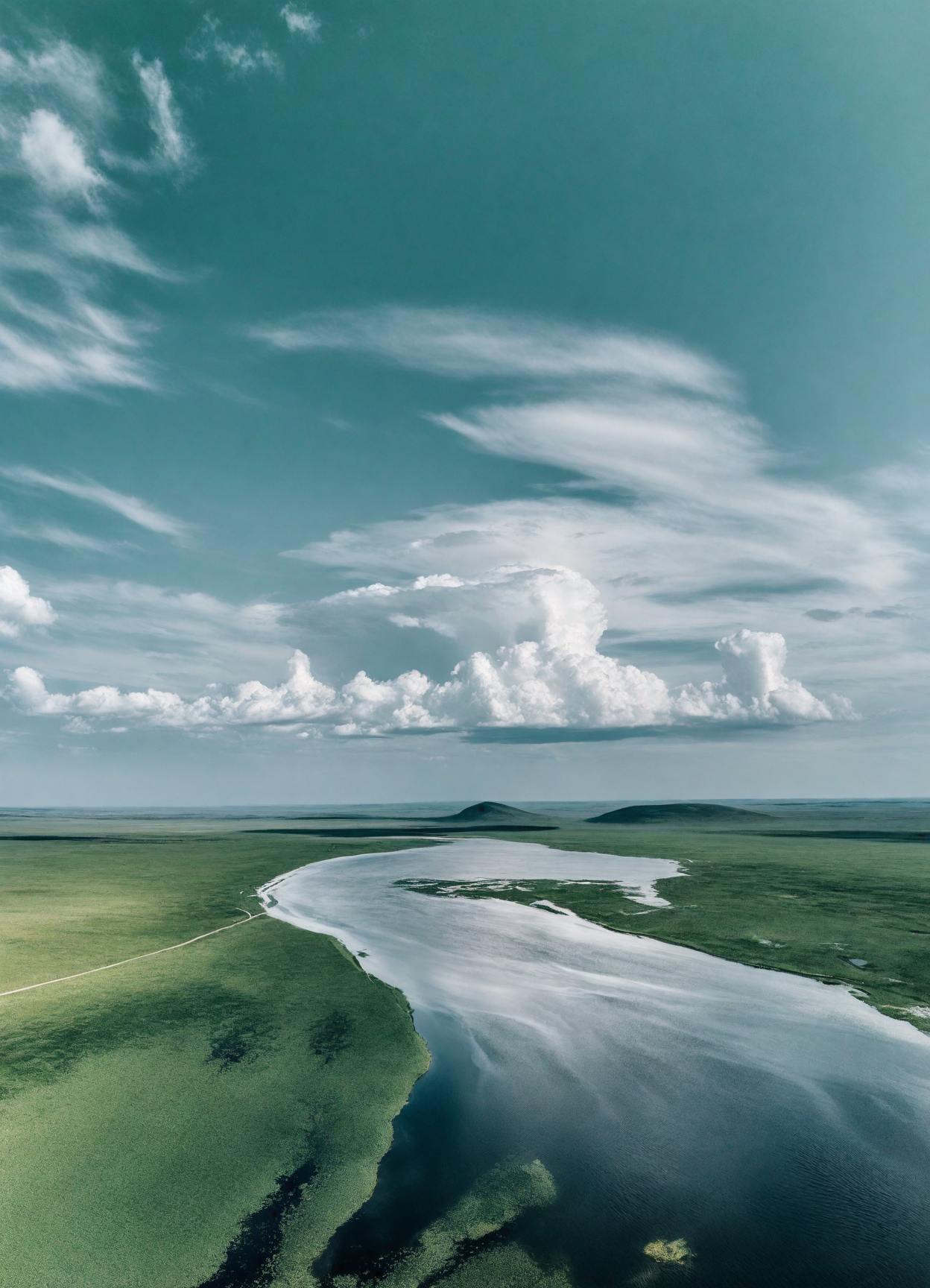
Scenery category: snowy mountains, deserts, grasslands, forests, ice fields (including auroras), seaside beaches, cities, etc.
Other than the content mentioned above, there is almost no other relevant content, or there is very little amount.
At the same time, we are also publicly soliciting comments to reinforce the model. Please fill out the form. Maybe the next version will have the content you want!
https://bqkvbettmmq.feishu.cn/share/base/form/shrcndsextjaQVQ2eJf6aaK4acc
Cue suggestion: Retrospective cue model recommendation: cilp modle: vit-L-14/openAI, captain model: bilp2-flan-t5-xl.
(Plug-in name:
CLIP Interrogator ) Male female, the recommendation is written as MAN/WOMAN, I don't recommend writing boy/girl. The recommended hint structure is: natural language describes the background or action of the subject's behavior, and a single tag describes the details and style, and requires
a fuller description.
Among them, high-frequency terms appearing in the portrait category are: naver fanpop, ulzzang/male ulzzang, streaming, emote, uncropped, discord profile picture, soft lighting
The
high-frequency terms that appear related to album covers, ffffound, official photos, and frontpage scenery are: unsplash photography, trending on unsplash,
full width, connectedness, featured on unsplash, f1.8 anamorphic, anamorphic widescreen, pexels contest winner, on a canva can be selected to add some words when drawing to enhance the effect. It is realistic and effective; the effect of quality descriptors is rather average.
The
reverse word can be simply written: (worst quality, low quality, illustration, 3d, 2d, painting, cartoons, sketch), rendering parameter recommendations: resolution: the pixel amount is best around 100w,
for
example
1024*1024, **6*1152, 672*1504 can improve image quality by 1.5 times when video memory allows, and the effect is remarkable.
It is recommended to use Euler a , just 30-40 steps. The problems with facial restoration are also not as exaggerated as in previous versions, and there is often no need to adjust the parameters. (Compared to the previous version, the other samplers were almost unusable; they are much better now, but there are still issues.
)
Performance testing:
The detection rate
of some images dropped drastically. Of course, this is also an
extreme test.
Regarding the in-depth issue of models, I must mention here. It is difficult to complete a personal training set when quality is guaranteed, so I only chose a minor aesthetic direction for training. This is also the choice of most individual model authors.
It is recommended to clarify your own needs when drawing and select the corresponding fully trained model to use.
Level of training:
Currently, after adjusting overly aggressive learning strategies, I have learned more evenly at all
levels.
Maybe the next time we meet will be the official version.
Special thanks:
AzureFire, Froyver, Mitsunouji, iPower Generator_fa982, a9d0e, ac40d, 8b3e9 (in no particular order) Thank you all for giving me
Fans of electricity generation! It is with your support that I have been able to keep training the model!!