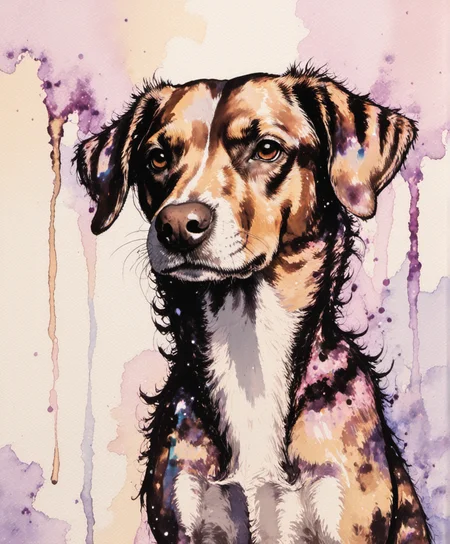
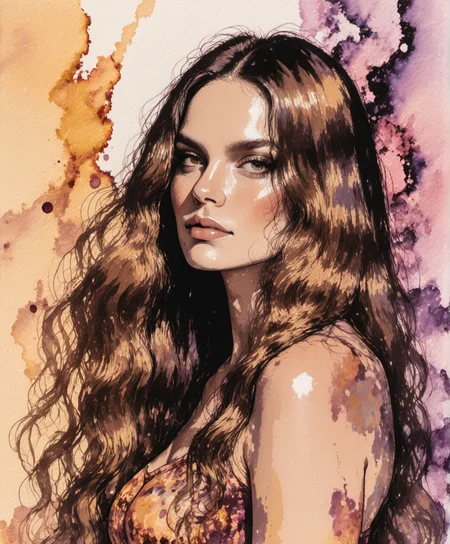
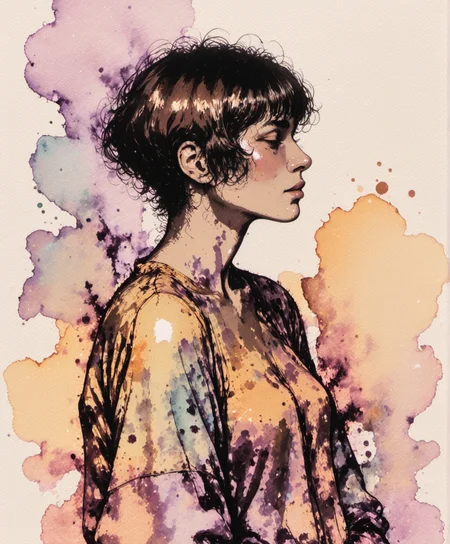
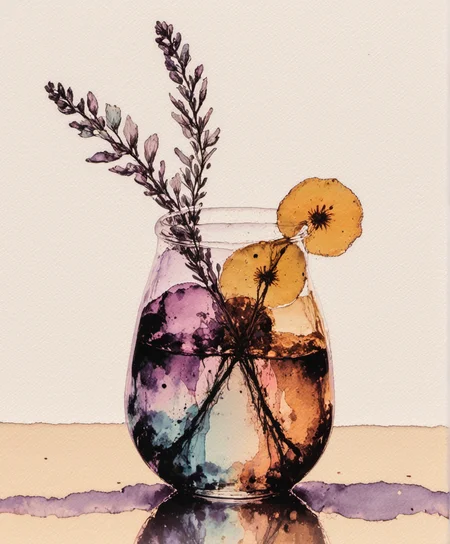
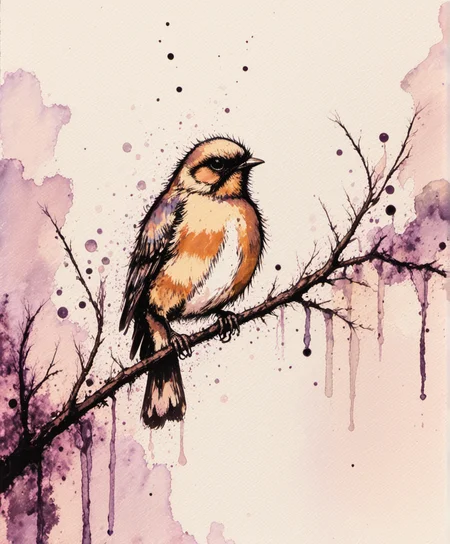
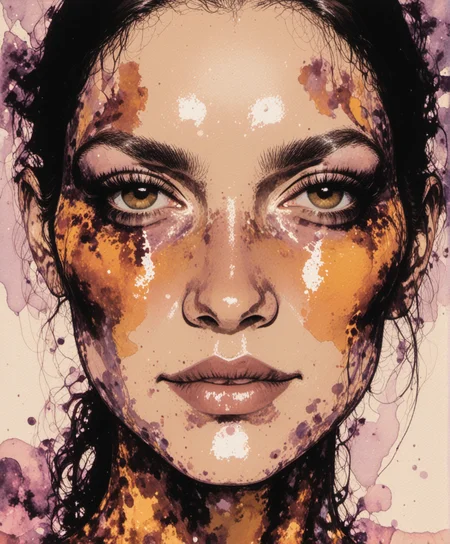
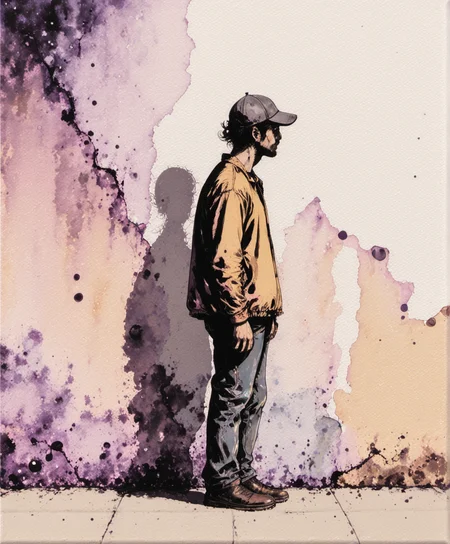
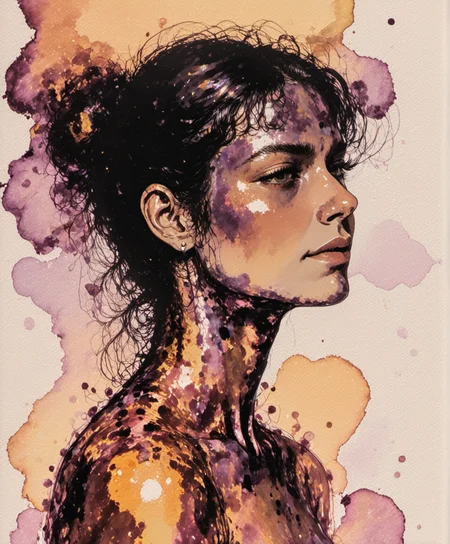
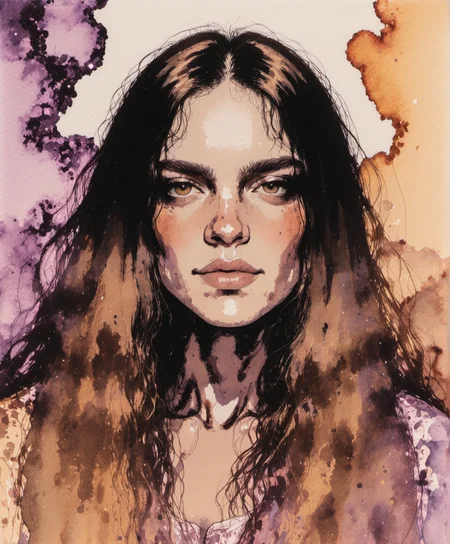
AlcoholInk_Art (SDXL)
Fluid alcohol‑ink aesthetic with vibrant pigments and organic color flow.
Overview
AlcoholInk_Art is an SDXL LoRA designed to recreate the distinctive look of alcohol‑ink artwork: flowing pigments, luminous gradients, and layered organic textures. It enhances compositions with smooth chromatic transitions and fluid motion while preserving the underlying structure of the subject. The model is stable, versatile, and performs consistently across a wide range of prompts.
This LoRA works beautifully for abstract pieces, portraits, animals, objects, and stylized scenes, producing rich, vivid artwork with a premium ink‑on‑surface feel.
Model Behavior
• Preserves subject structure without distortion.
• Adds fluid pigment flow, soft edges, and layered ink textures.
• Produces vibrant color transitions and luminous gradients.
• Avoids muddy colors, harsh edges, or watercolor artifacts.
• Stable across a wide weight range (0.6–1.2).
• Works best with samplers that maintain smooth noise transitions.
Recommended Settings
• Weight: 0.6–1.2
• Sampler: DPM++ 2M SDE Karras (best fluidity and color flow)
• Alternative: DPM++ 3M SDE Karras (sharper, less organic)
• Steps: 25–35
• CFG: 5–7
• Resolution: 1024×1024 or higher
Note: DPM++ 2M SDE Karras preserves the natural fluidity of alcohol‑ink patterns, while 3M SDE tends to increase micro‑contrast and reduce organic blending.
Prompt Guide
Base Prompt
alcohol ink art, flowing pigments, organic gradients, vibrant color transitions, fluid texture, layered ink patterns, luminous abstract shapes, high‑detail ink diffusion
Negative Prompt
muddy colors, flat texture, watercolor style, acrylic style, hard edges, low contrast, grainy noise
Suggested Use Cases
• Abstract compositions with rich color flow
• Stylized portraits with ink‑based textures
• Animals rendered with fluid pigment patterns
• Botanical or object‑focused artwork
• Poster‑style graphic pieces
• Experimental mixed‑media aesthetics
Gallery Recommendations
To showcase the model’s versatility, include:
• Two pure abstract alcohol‑ink pieces
• One portrait
• One animal
• One object (flower, vase, fruit, etc.)
• One complex scene or stylized environment
This demonstrates both stylistic strength and adaptability