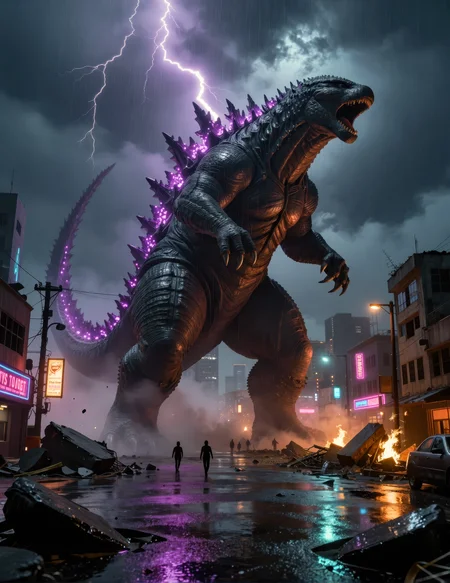
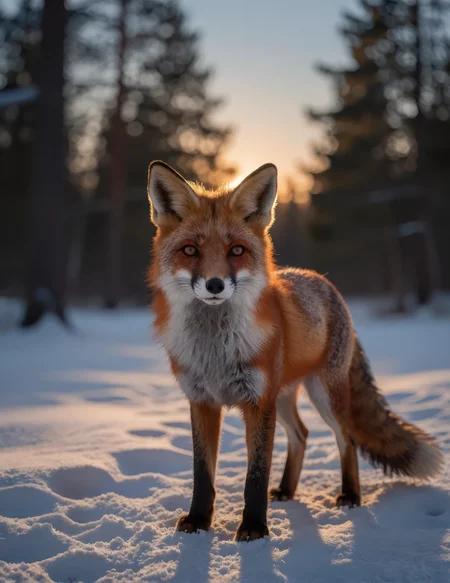
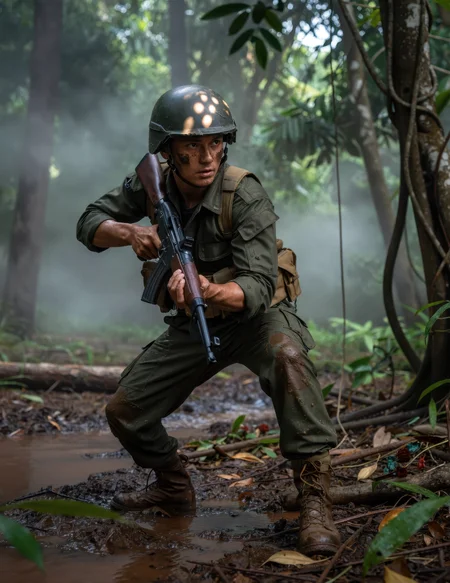
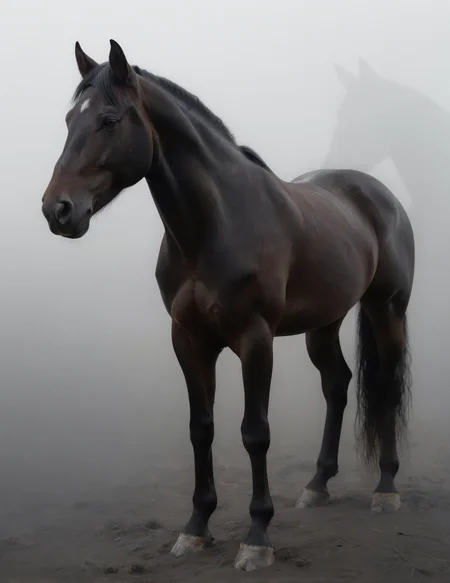
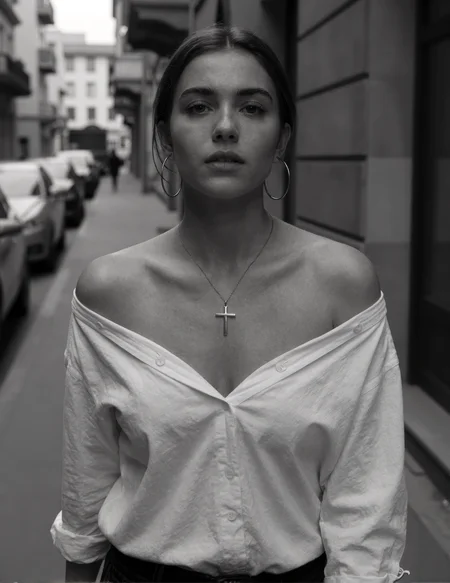
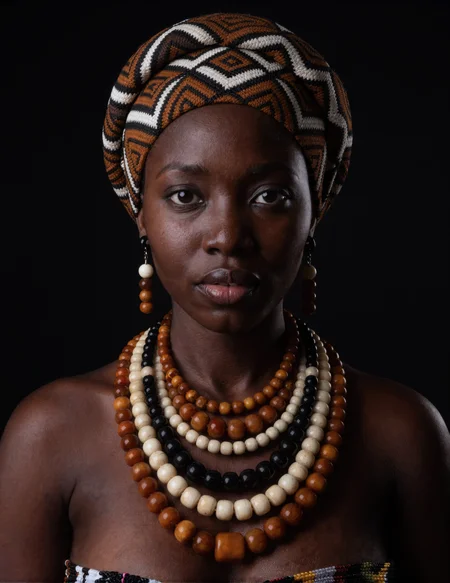
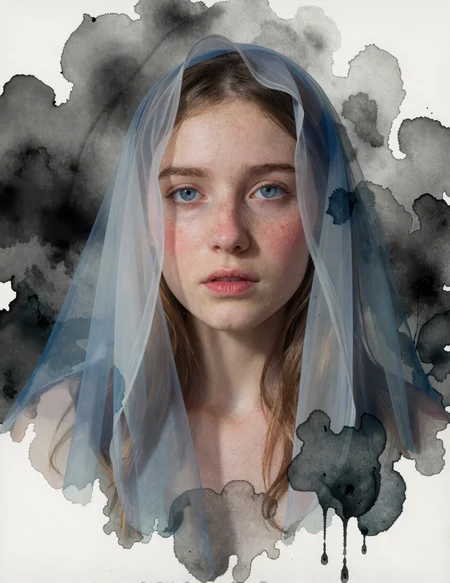


You can get this model through Civitai Early Access, or grab it along with many others by joining The Tinkerer on Whop. Membership gets you early releases, private tools and members-only pages. There are free pages too, no membership needed.
👉 Join on Whop
💬 Join the community for support, free tools and early news on Discord
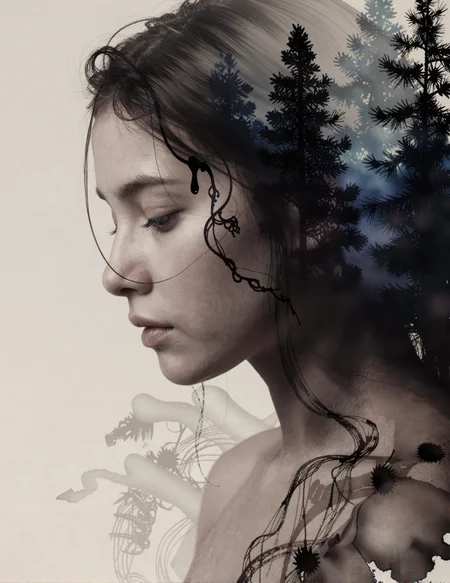
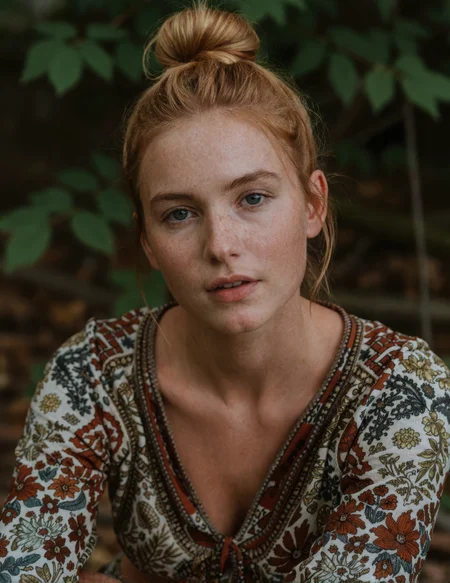
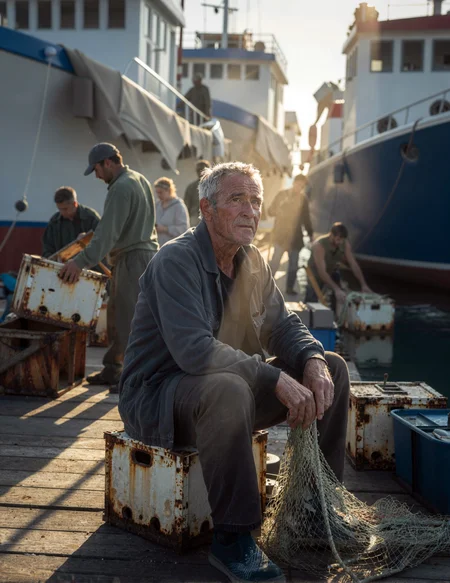
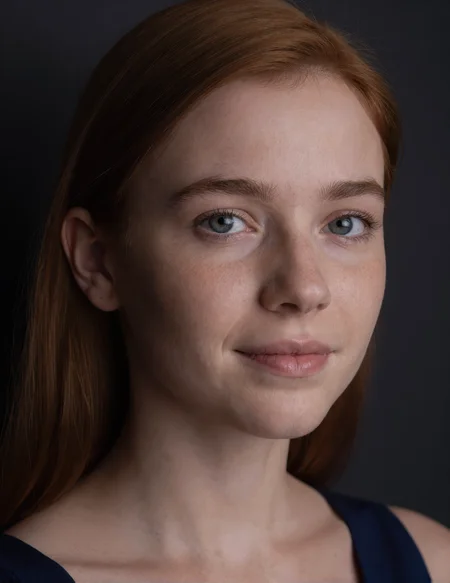
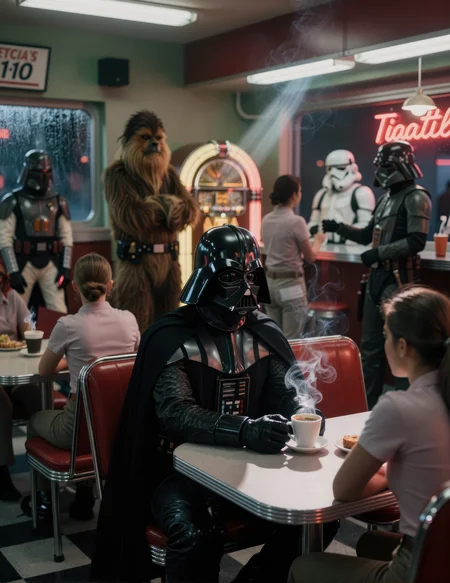
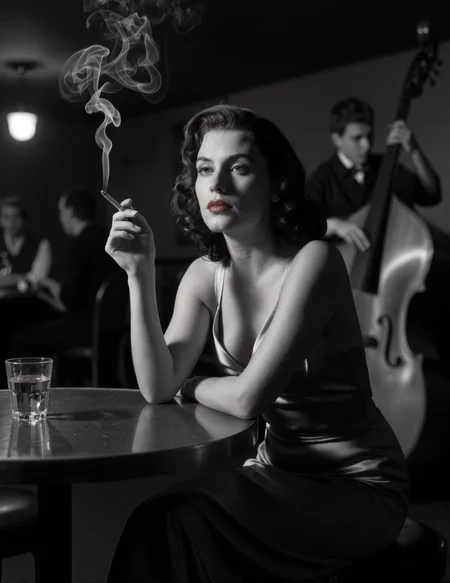
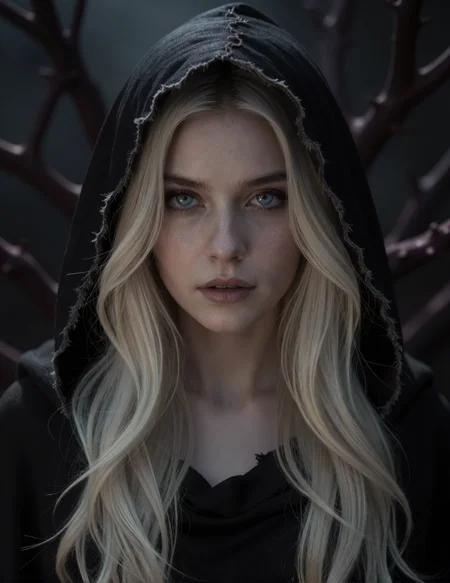
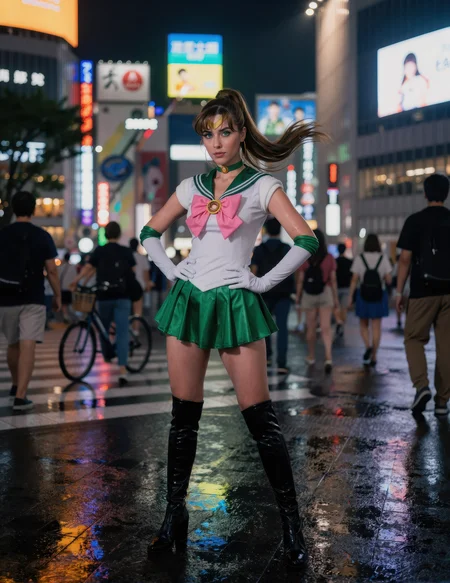
CyberRealistic Z-Image Turbo is a realism-focused finetune of Z-Image Turbo by Tongyi-MAI.
The idea behind it is deliberately simple: keep what makes Z-Image Turbo good - speed, strong prompt understanding, good composition and extremely efficient few-step generation - while moving the default visual language further toward believable photography.
CyberRealistic doesn't try to turn Z-Image Turbo into a completely different model. The original already has a very capable photographic foundation. The finetune mainly changes what the model considers a "normal" photograph: more natural skin, less synthetic rendering, more believable faces, stronger material texture, more grounded lighting and better anatomical consistency.
Z-Image Turbo already knows how to make a good image. CyberRealistic mainly changes where it starts.
What's different from base Z-Image Turbo
Stronger photographic look out of the box.
More natural skin texture with less waxy or overly polished rendering.
Improved faces, eyes, hair and small facial details.
Better anatomical consistency, especially hands, feet and complex poses.
Fewer duplicated limbs and extra hands in more difficult compositions.
More believable fabric, hair, skin, metal, glass and other material textures.
Stronger response to available light, practical lighting and real-world camera language.
Less dependence on stacks of words like
masterpiece,8k,ultra detailedandphotorealistic.Keeps the speed and general prompt behavior that make Z-Image Turbo useful.
The focus is photography, but that doesn't mean the model is locked to photography. Illustration, cinematic stylization, fantasy, advertising, vintage photography and other looks are still available when you describe them.
Prompting
If you're coming from SDXL, Pony or Illustrious, the biggest change is simple:
Describe the image instead of building a tag stack.
Z-Image Turbo uses a Qwen3-based text encoder and responds very well to normal descriptive language. Short comma-separated clauses are completely fine, but every part of the prompt should ideally tell the model something visual.
Instead of:
woman, realistic, masterpiece, best quality, detailed skin, cinematic, 8k
try:
A woman standing beside an open apartment window on a warm summer evening, photographed with soft natural light falling across her face, loose dark hair, natural skin texture and an out-of-focus city street behind her.
The second prompt gives the model an actual scene to construct.
Put the subject first
Start with what the image is about.
A middle-aged mechanic leaning over the open engine bay of an old red pickup truck...
works better than hiding the subject halfway through a long list of style instructions.
You don't need to obsess over exact prompt order, but the main subject and composition should be clear early.
Be specific
Specific visual language usually does more than generic quality words.
Instead of:
beautiful lighting
try:
soft late-afternoon sunlight entering through a dusty workshop window
Instead of:
detailed clothing
try:
a faded blue denim jacket with worn seams and slightly frayed cuffs
Instead of:
cinematic portrait
try:
photographed from chest height with a 50mm lens, shallow depth of field and soft window light from camera left
Describe the light
Lighting is one of the easiest ways to change the realism and mood of the image.
Useful examples:
soft overcast daylight
direct midday sunlight creating hard shadows
a single warm tungsten lamp above the table
cold fluorescent supermarket lighting
late-afternoon sunlight entering through venetian blinds
direct on-camera flash in a dark room
You can still use words like cinematic, but describing where the light actually comes from gives the model much more information.
Quality tags are not magic switches
Words such as:
masterpiece
best quality
8k
ultra detailed
absurdres
score_9
can still influence the wording of the prompt, but Z-Image Turbo doesn't treat them like the traditional SDXL/Pony quality system.
Use that prompt space to describe what you actually want to see.
Camera language works well
For photographic images, camera terminology can be useful when it describes a visible effect:
35mm documentary photograph
85mm portrait lens with shallow depth of field
handheld photograph with slight motion blur
direct flash snapshot
wide-angle environmental portrait
medium-format color photograph
Don't feel forced to specify a camera and lens in every prompt. Sometimes simply saying casual phone photo gives you exactly the look you need.
Prompt length
There is no perfect prompt length, but these are useful practical ranges:
10–30 words: exploration and seed hunting.
30–80 words: good balance between control and freedom.
80–150 words: complex scenes, precise lighting or detailed compositions.
Long prompts aren't automatically better. Contradictory prompts are the bigger problem.
If you ask for soft natural window light, hard direct flash, deep cinematic shadows and flat commercial studio lighting at the same time, the model still has to decide which instruction wins.
Text inside images
Z-Image Turbo is unusually capable at rendering text compared with older diffusion models.
If exact text matters, put it in quotation marks:
A small neon sign above the diner entrance reading "OPEN ALL NIGHT"
Keep important text reasonably short. It's good, but it still isn't a replacement for a typography application.
Recommended settings
Z-Image Turbo is a distilled few-step model.
Don't treat it like an SDXL checkpoint that needs 30–50 steps.
A good starting point is:
Steps: 8–9
CFG / Guidance: effectively OFF
Resolution: start around 1 megapixel and increase if your hardware allows it
Negative prompt: normally unnecessary
In the original Diffusers implementation, guidance is 0.0.
In standard ComfyUI workflows, the equivalent no-CFG setup is generally CFG 1.0.
More steps are not automatically better with Turbo. If something isn't working, changing the prompt, seed, sampler or composition usually makes more sense than simply increasing the step count.
ComfyUI
For ComfyUI, I recommend starting with the current Z-Image Turbo workflow/template rather than applying old SDXL settings.
Z-Image Turbo has its own sampling behavior and is designed around very low step counts.
Negative conditioning is normally zeroed out in the standard Turbo workflow because the model runs without traditional classifier-free guidance.
Example prompts
Natural-light portrait
A woman in her early thirties sitting beside an open café window, loose brown hair falling across one side of her face, wearing a simple cream-colored sweater. Photographed from slightly below eye level with a 50mm lens, soft overcast daylight entering from the window, natural skin texture, muted colors and a busy street softly blurred in the background.
Documentary photography
An elderly fishmonger arranging silver mackerel on crushed ice at an indoor market early in the morning. Cold daylight enters through the open market doors and mixes with the warm bulbs above the counter. Wet concrete floor, weathered hands, faded rubber apron, handheld 35mm documentary photograph with subtle grain and natural color.
Low-light snapshot
A young woman standing alone beside a vending machine outside a convenience store at two in the morning, photographed with direct on-camera flash. Dark parking lot behind her, slightly messy hair, casual oversized jacket, realistic skin texture, hard flash shadows, muted colors and the imperfect look of a spontaneous late-night photograph.
A few last things
Short prompts are completely valid.
One of the advantages of Turbo is that you can generate several directions quickly, choose the seed or composition you like, and then add more camera, lighting and material detail.
That often works better than trying to write the perfect 150-word prompt before generating anything.
Also keep in mind that Z-Image Turbo is distilled for speed. Part of that tradeoff is lower variation than a large non-distilled foundation model. If you keep seeing the same interpretation, change the wording more substantially rather than adding another five quality tags.
CyberRealistic Z-Image Turbo is released for people who enjoy generating, experimenting, benchmarking and finding the edges of a model.
Feedback is especially useful for difficult poses, multiple people, hands and feet, unusual lighting, text rendering and prompts where the model behaves differently from the original Z-Image Turbo.
If you find something interesting — good or bad — let me know.
Credits
CyberRealistic Z-Image Turbo is based on Z-Image Turbo by Tongyi-MAI.
Z-Image Turbo is released under the Apache 2.0 License. Please follow the applicable upstream license when using or redistributing derived models.
Description
Join The Tinkerer on Whop. Membership gets you early releases, private tools and a bunch of extra stuff.
👉 Join on Whop
Yes, it jumps from v1.0 to v1.3.
No, it’s not a revolution.
Just a cleaner, tighter, slightly more caffeinated version of the original.
Same soul. Fewer hiccups. More “oh damn, that looks good.”
FAQ
Comments (24)
I know that this question about the forge was asked before; I was just wondering since it was mentioned that this can work with some modification in the standard, non-neo version of the forge. May I please ask what modifications are required to get this amazing Zimage turbo model working in the standard classic forge? Any help or advice is greatly appreciated, and thank you for creating such amazing models. They are truly the best I have ever seen!
Me too
Whynot upgrade to NeoForge? It's an upgraded and better version of the original Forge
Required Additional Files
Make sure you also have the following:
16 GB+ VRAM: qwen3_4b.safetensors
8–12 GB VRAM: qwen34bfp8_scaled.safetensors
All VRAM sizes VAE: ae.safetensors
⬆️ where to put this files? like which one where
qwen3_4b and qwen34bfp8 are text encoders and go into your webui/models/text_encoder
ae is a VAE and goes into your webui/models/vae
@1015 Thx mate
Great work again! Tho, i was wondering what the "RF" in DPM++ 2s a is.
It's something "exclusive" from Forge Neo
Коллеги , я смотрю тут интересные темы начали подниматься..
Вопрос у меня к вам : кто нибудь умудрился запустить z-image на старой GTX карте типа 1080Ti. Что-то у меня не особо получается...
новые версии portable ComfyUI ставится не хотят. Говорят: либо ошибка c10.dll, либо поставьте новый видео-драйвер. А он уже итак стоит. Новый Forge-Neo тоже вылетает с ошибкой, хотя версия чуть старее работает отлично, но блин она не-видит z-image .
Поставить новый ComfyUI через Git не удается из за тормозов с инетом, грустно...
Testing with the help of Grok
The GTX 1080 Ti is based on the Pascal architecture and has Compute Capability 6.1 7.
It was officially supported by CUDA up to version 12.x, but starting with CUDA 13, NVIDIA dropped support for the Pascal architecture (including the GTX 1080 Ti) 2.
However, users are successfully using:
CUDA 11.x (e.g., 11.3)
CUDA 12.6 with PyTorch 2.9
Use CUDA 11.8 or 12.1—the most stable for Pascal.
Try the latest comfyui build with CUDA 12.6 on GitHub
ComfyUI_windows_portable_nvidia_cu126.7z
If that doesn't work, downgrade your PyTorch version: Install a version built with CUDA 11.8/12.1 support, for example:
pip install torch torchvision torchaudio --index-url https://download.pytorch.org/whl/cu118
Запускал на GTX 1070 и Qwen image и Qwen edit 2509 ComfyUI Устанавливал с помощью чат ботов, GPT, Grok, ComfyUI_portable версию. Чат боты в помощь.
Проблема решена,
качаем новую версию comfyUI portable ,
качаем и устанавливаем VisualCppRedist_AIO_x86_x64 2017-2026.exe
сносим python если стоит в системе ( в архиве все равно свой есть)
чистим реестр от старых записей
распаковываем ComfyUI запускаем, материмся на новый интерфейс.
закидываем файлики по свом местам и вуаля после перезагрузки все заработало...
Разве что с какими-нибудь шакальными гуфами, иначе это буде ооочень долго.
@Cyberdelia I understand it is experimental and you want feedback.
It would be great if you could include data you have used in CR Pony v11 specifically because that one was unique and really useful. But sadly for some reason you took out those elements in later releases, it seems.
hi, dude! How about kissing?
Did you know that the original z-image-turbo can't do a passionate (French kiss)?
Really? That doesn't even make sense... I feel like ZIT may not be all it's hyped up to be if it can't even understand daily basic things (and French kissing isn't really NSFW per se) without it being manually trained in.
I'd love to see a CyberRealistic Classic ZIT version
I like this, and some areas are improvements, but there's clearly some flux type synthetic images in there, that make it less realistic.
What do you prefer for realism then?
@ygmdir Well I don't know every z-image model (there's quite a few, and it's early days), but I've found 0.5 better for this in cyber realistic.
nsfw?
Can we get a Lora Version please! 😍
I found something interesting. Since Qwen has really good response to Chinese prompts, I translate some English prompts into Chinese by using google translate. For comparison, the English prompts always land in some wrong areas and dissatisfied contents, but the Chinese prompts can finish the jobs perfectly (even if I don't recognize any Chinese words).
Details
Files
Available On (1 platform)
Same model published on other platforms. May have additional downloads or version variants.